
Profile summary and neurodiversity insights
This implies that you are particularly capable of detailed analysis and making specific deductions rather than idea generation and broad decision making. You can analyse and identify what is in front of you and then develop an appropriate plan to proceed. Those with strong analytical capability are potentially ideal for identifying issues or opportunities quickly.
You are able to develop understanding of how things work and create systems and processes that take advantage of what has been discovered. You are ready to assist others to achieve higher productivity by following these processes.

Your Strengths

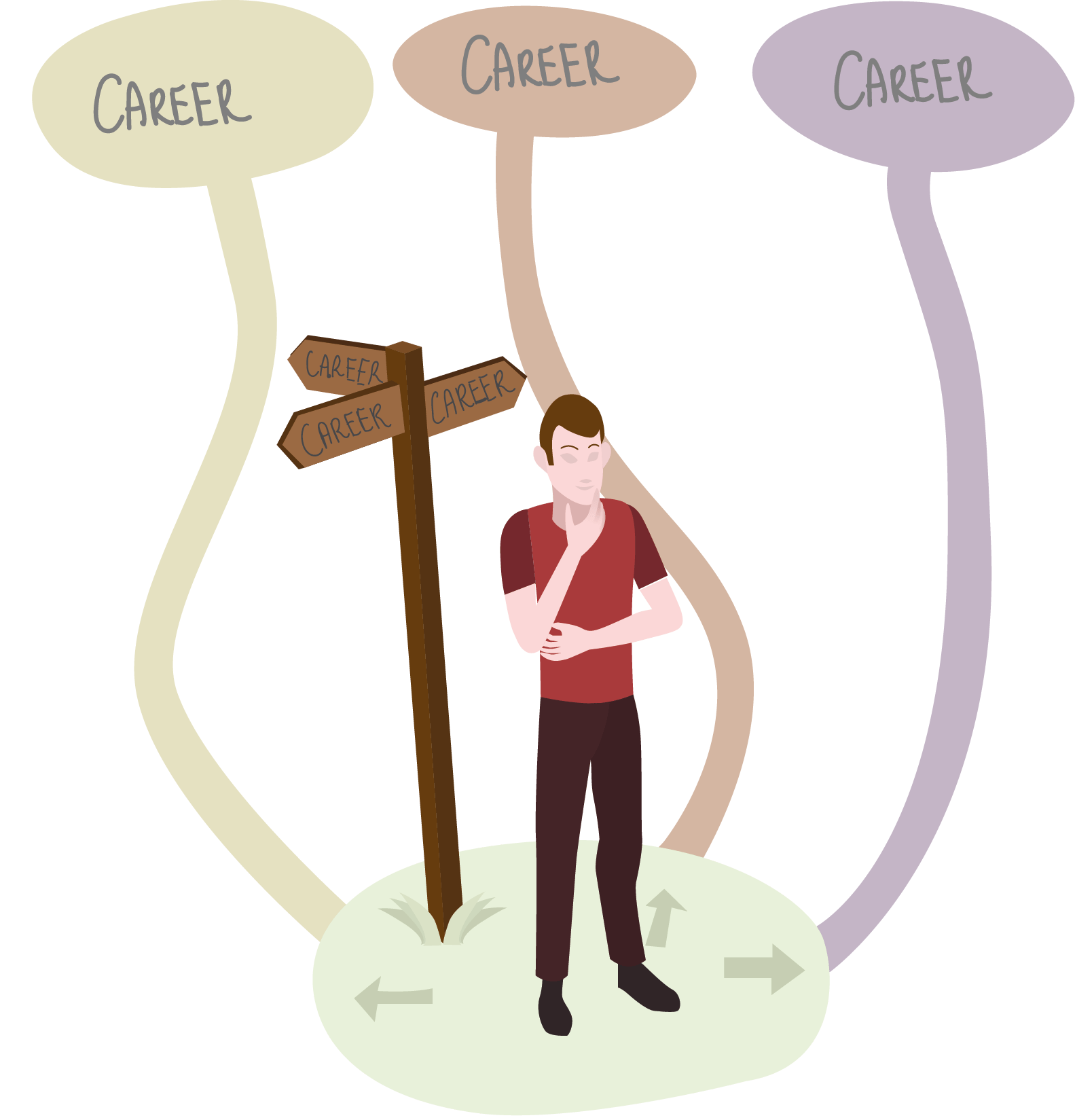
Career Paths
Your Work Preferences
Types of careers that are good a match to your strengths
- Data Science
- Business Analytics
- Project Management
- IT Business or Data Analyst
Learning Styles
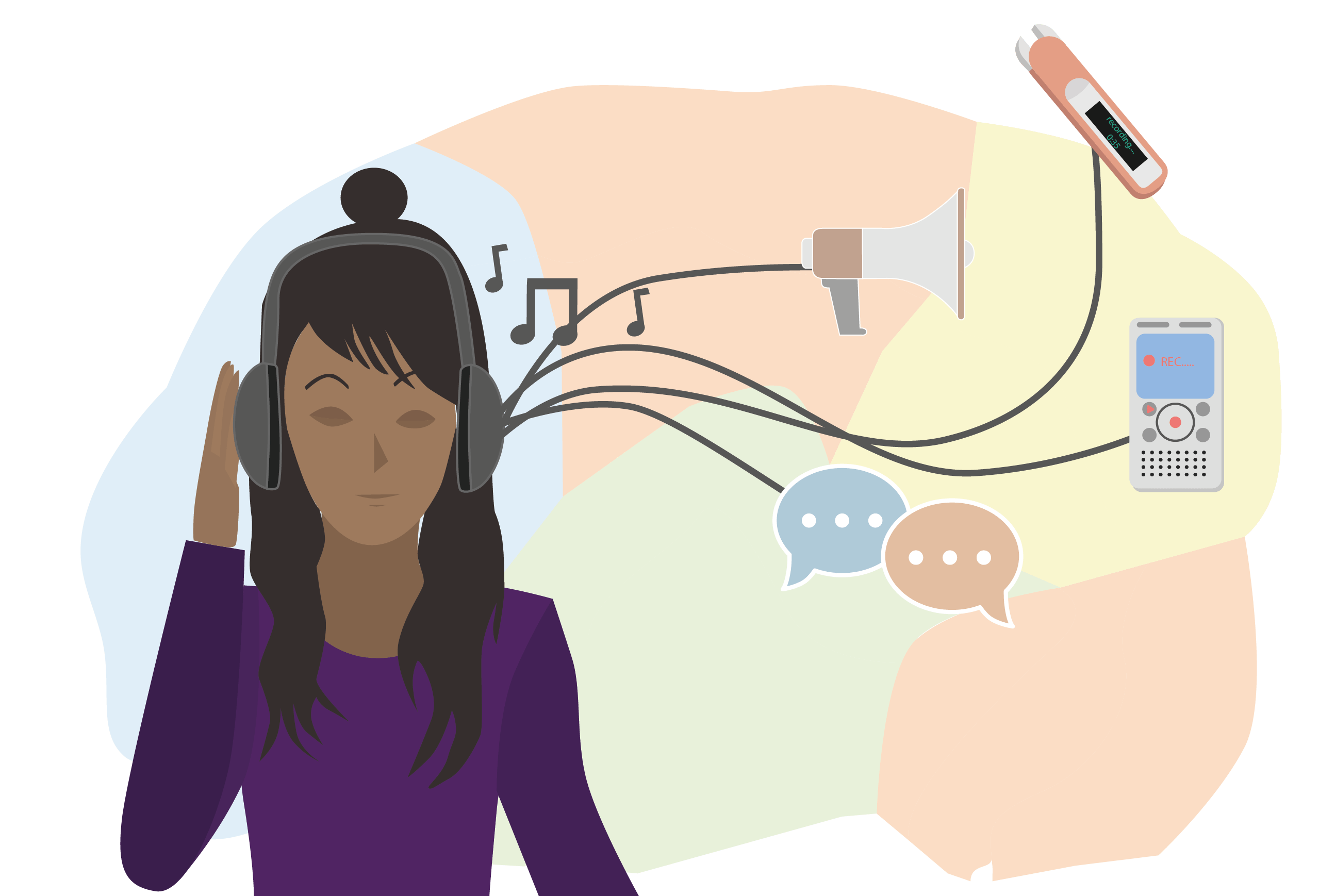
Audial / Vocal
Visual
You may be very visually oriented in your approach to receiving and giving information. This means that even when you are dealing with purely textual information your vision of it is more three-dimensional. You are able to remember text by visualising the page or list, similar to someone with a photographic memory. You may be able to remember facts by their colour, size, or even by their position on the page.

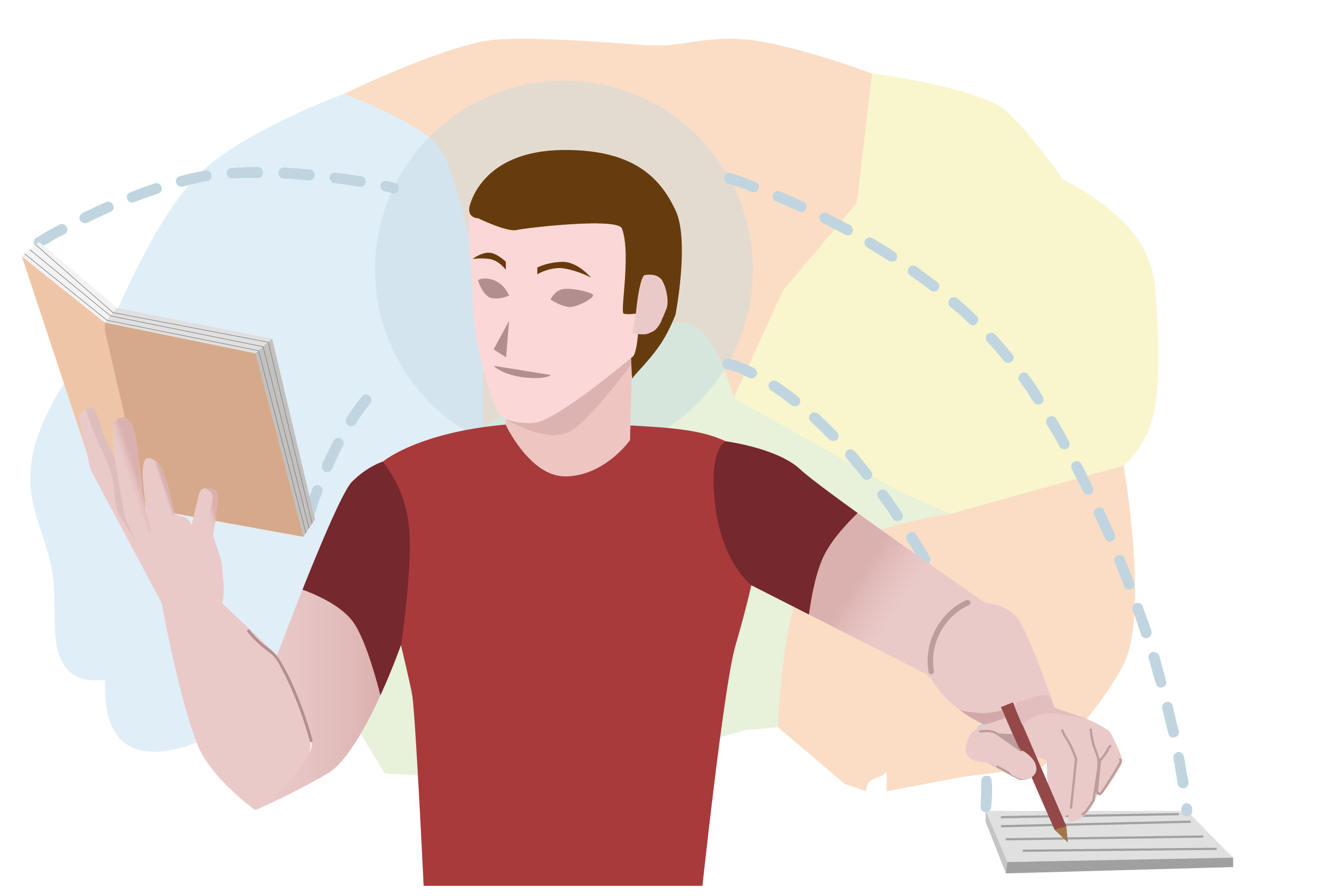
Reading / Writing
Challenge Areas
Support Available

Workplace needs assessments
Workplace Needs Assessments provide the opportunity for an employee to express their experiences of work related barriers. A report is then produced to inform and educate Management and HR providing clear recommendations of reasonable adjustments.
You can book one hereInterim support
There are many occasions when a one-off intervention or support arrangement may be required. This can include scribing or supporting during an assessment or interview for specific candidates. It may be necessary to provide a workshop or seminar for colleagues in order to inform them of specific traits or behaviours that may be present and how best to assist the individual to reach their potential.
You can book one here
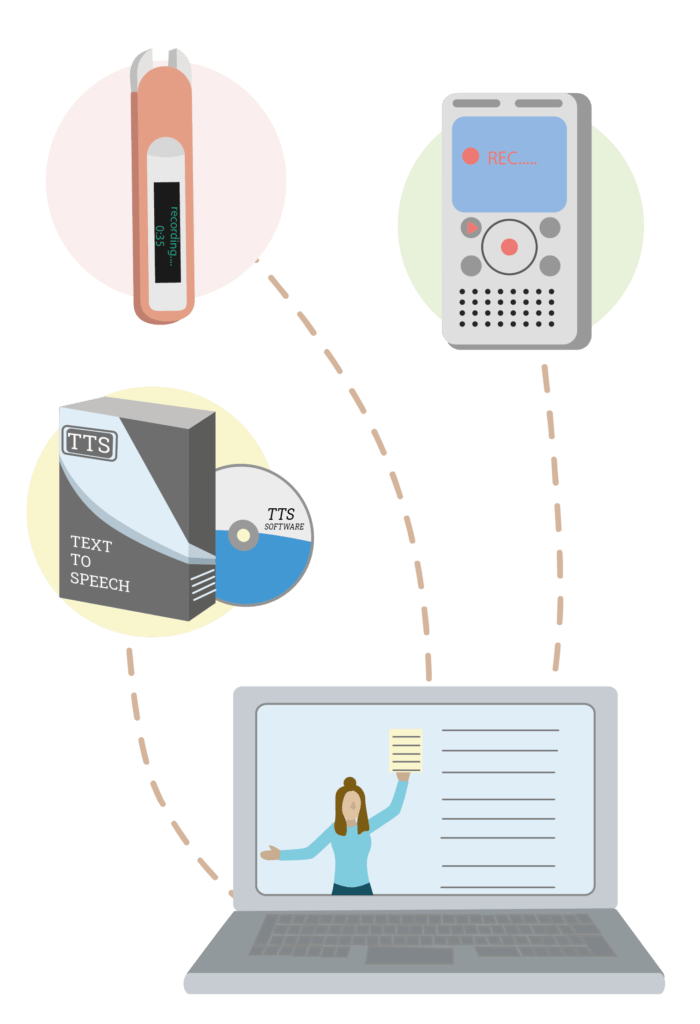
Assistive technology and training
There is a host of technology specifically designed to handle difficulties such as:
Personal mentoring for the improvement of fundamental skills.
We all have strengths and weaknesses. It can be very beneficial to chat things through with a mentor. Personal coaching or mentoring can assist with developing more robust strategies for addressing those less developed skill areas. Roche has a mentoring scheme available to all employees and Occupational Health experts for specific work-place improvements/adjustments. These employees are trained to support individuals with their individual needs, ranging from how to talk to colleagues and line managers through to time management and scheduling
You can book one here

Disclosure and self-advocacy
Disclosing to your HR department can be a key step in order to ensure that you have access to support and services. Even if you did not disclose face-to-face or explain on any initial Occupational Health documentation, it is never too late to inform HR of Neurodiversity just so that they are already aware if it becomes relevant in the future.
Disclosing to line management is highly recommended because it will allow you to candid in scheduled catch-ups. It will no longer be so out of place to express an issue or as embarrassing to request an unscheduled chat. This approach is just as helpful to line managers because it gives them the opportunity to appropriately address some issues that may otherwise be handled indelicately.
Disclosing to colleagues often occurs naturally over time but if a critical issue occurs before that point, the disclosure process can feel forced or negative. Even if your specific Neurodiversity is not shared, it can be a great help to inform others of any issues so that they can learn or understand any differences.