
Obsessive Compulsive Disorder (OCD)
This page shares NHS-aligned information about Obsessive Compulsive Disorder (OCD) alongside Exceptional Individuals’ experience of supporting people with OCD in education, employment and everyday life. We also signpost to trusted clinical and support organisations for anyone who wants medical advice, assessment or treatment.
Important:
Exceptional Individuals is not a medical or diagnostic service.
If you are concerned about OCD, intrusive thoughts, or compulsive behaviours, please speak to a GP or qualified clinician.

What is Obsessive Compulsive Disorder (OCD)?
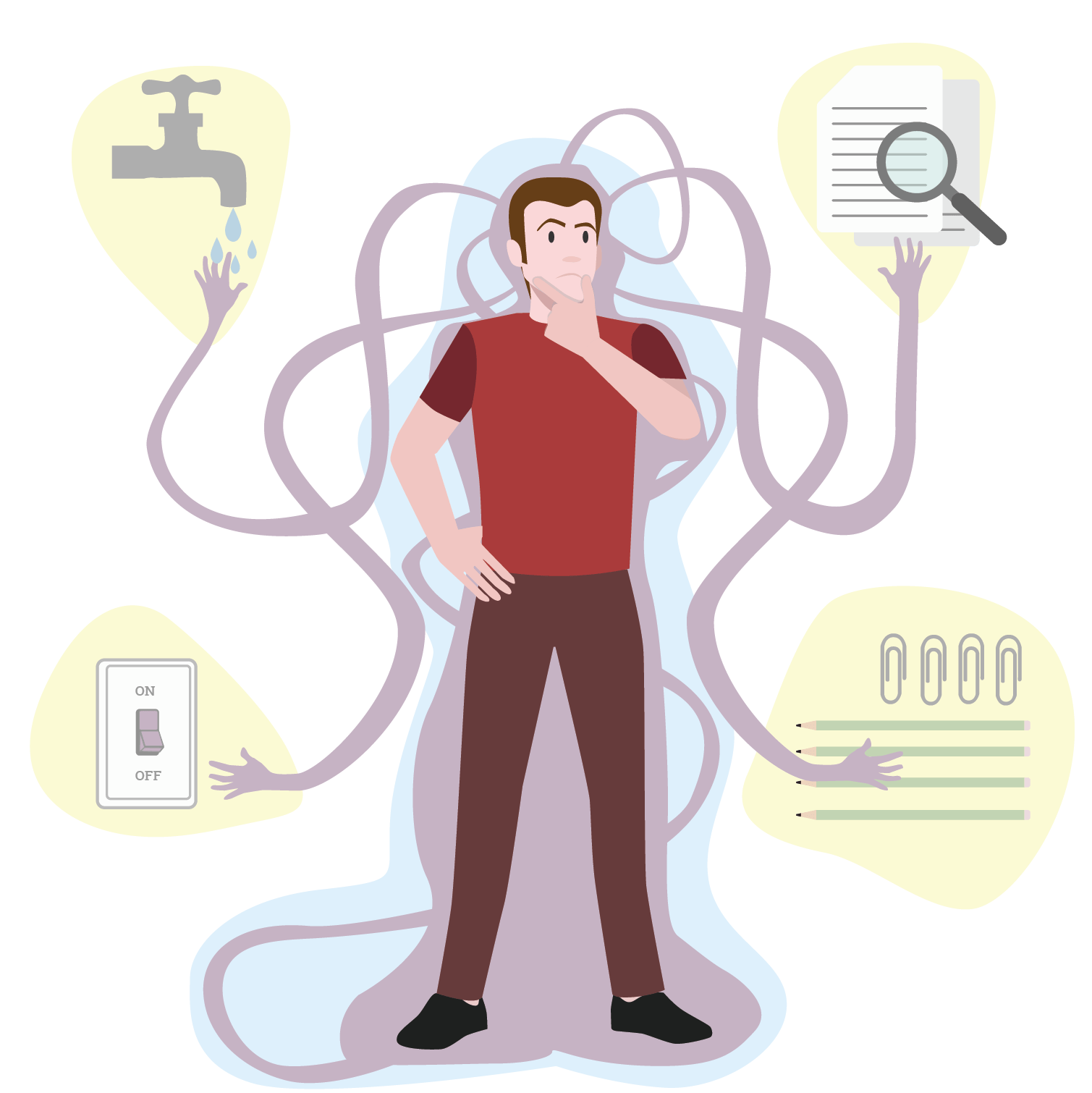
The NHS explains Obsessive Compulsive Disorder (OCD) as a condition where people experience:
- obsessions – unwanted or distressing thoughts, images or urges
- compulsions – repetitive behaviours or mental acts that are done to try to reduce anxiety or prevent something bad from happening
These experiences can feel intrusive and hard to control, and they can take up a lot of time or mental energy.
At Exceptional Individuals, we also hear from people with OCD about how these experiences can affect everyday life and work.
For example, one person we supported into employment had both autism and OCD. They described how intrusive thoughts could make it difficult to move on from tasks, and how they sometimes felt a strong urge to re-check emails, documents or work they had already completed, even when they knew it was correct. In busy or high-pressure environments, this increased their anxiety and made work more exhausting.
With understanding from their employer and some simple adjustments, they were able to feel more confident, manage their workload more comfortably, and stay in work.
This is just one lived experience. Everyone experiences OCD differently, and only a qualified healthcare professional can diagnose OCD.
You can read more on the NHS website:
https://www.nhs.uk/mental-health/conditions/obsessive-compulsive-disorder-ocd/
How OCD can affect everyday life
People experience OCD in different ways. There is no single pattern, and not everyone will recognise the same experiences.
Some people tell us they live with intrusive thoughts that appear suddenly and feel distressing or alarming. Others describe feeling driven to repeat certain actions, check things, or think in particular ways to reduce anxiety.
Several people we have supported have shared how these experiences can be especially difficult in busy environments, where there is pressure to move quickly, make decisions, or switch between tasks. This can lead to increased stress, self-doubt, or a fear of making mistakes, even when someone is highly capable.
OCD at work
OCD can have a real impact on working life, especially when it is not understood.
People with OCD may:
-
take longer to complete tasks because of checking or repeating
-
feel anxious about making mistakes
-
find it difficult to switch between tasks quickly
-
become mentally fatigued from managing intrusive thoughts
One person we supported into employment had both autism and OCD. They explained that while they were skilled and motivated, intrusive thoughts made it hard to let go of work they had already done. In a fast-paced role, this increased their anxiety and made them worry about falling behind.
When their employer understood what was happening and made a few simple changes, such as clearer expectations and reassurance around quality, their confidence improved and they were able to settle into the role.
Reasonable adjustments and support
Small, practical changes at work can make a big difference for someone living with OCD. These might include:
-
clear written instructions
-
flexible deadlines where possible
-
quiet or low-distraction working areas
-
understanding around reassurance-seeking or checking
-
time to attend appointments or support sessions
The most important thing is that adjustments are based on the individual, not assumptions. What helps one person may not help another.
Getting clinical support for OCD
If you think you may have OCD, or you are struggling with intrusive thoughts, anxiety or compulsive behaviours, it is important to seek professional medical support.
In the UK, most people start by speaking to their GP. A GP can listen to what you are experiencing, ask some questions, and, if appropriate, refer you to local NHS mental health services or an IAPT (Improving Access to Psychological Therapies) service. These services can provide specialist assessment and, if needed, therapy or treatment.
Some people worry about bringing this up with a doctor, especially if their thoughts feel embarrassing or hard to explain. Others are unsure whether what they are experiencing is “serious enough”. The NHS encourages anyone who is concerned about their mental health to seek advice, even if they are not sure what is going on.
At Exceptional Individuals, we often speak to people who are somewhere in the middle of this process. They may be waiting for an appointment, unsure what will happen next, or trying to manage work while they seek support.
One person we supported was already in employment when they decided to speak to their GP about intrusive thoughts and compulsive behaviours that were affecting their wellbeing. While they went through the NHS assessment process, we helped their employer understand what they were dealing with and put simple adjustments in place at work. This reduced some of the pressure and allowed them to stay in their role while getting the clinical support they needed.
Exceptional Individuals does not provide diagnosis or treatment, but we can support people and employers alongside NHS care by focusing on workplace needs and adjustments.

-
NHS – https://www.nhs.uk/mental-health/conditions/obsessive-compulsive-disorder-ocd/
-
OCD Action – https://ocdaction.org.uk
-
OCD UK – https://www.ocduk.org
-
Mind – https://www.mind.org.uk
If you are in immediate distress or feel unsafe, contact NHS 111, your GP, or 999 in an emergency.