
ADHD Meal Planning : Tips and tricks
Featured image by Ella Olsson from Pexels
The spontaneity and impulsivity which allows the ADHD person to be creative and interesting but also often late or distracted often doesn’t marry with being organised and planning. It takes us a fair bit of processing power to focus and plan sometimes.
Yet that’s why starting a meal planning or organisation strategy is so helpful. This is strategy we are able to create over time and add to as we see what is useful.
Meal Planning
Meal planning means of course to map out or ‘project’ an idea of meals for a day or week (etc). This could be as casual as ‘a pasta dish’ or a very elaborate series of recipes.
Perhaps what works for you is to eat the same main meals a couple of times a week every week.
Perhaps your plan revolves more around ingredients – always doing a particular sort of dish at a given day (e.g. weds fish night).
Benefits of ADHD Meal Planning
The value of meal planning is that:
- It helps us to be more organised, and to create temporal and conceptual boundaries.
- It means we’re more likely to eat nutritiously (at least relatively) and keep fueled.
- Helps with potential overwhelm and crashes, so we don’t need to try and work out and decide what to cook every day.
- Helps us build the capacity of planning and improve our executive function skills – like working a muscle.
- Creates processing space when we’ve made the plan.
That being said, we all know that planning, futurescape projecting and sticking to a plan (especially if timebased) is not always easy for an ADHD person. In fact its often very difficult. That’s why planning when we’re in a favourable headspace is such a great idea.
There are many meal planning approaches around and you need to consider what’s right for you.
In order to begin let’s consider some general tips for approaching meal planning. Firstly we need to consider our mental approach.

Image by Daria Shevtsova from Pexels
Headspace
Don’t beat yourself up – if you’re struggling to eat or plan consistently and falling into old habits, firstly watch what you are ‘saying’ to yourself, compassionate understanding is more useful than self judgement.
Eating something is generally preferable to eating nothing at meals – make sure to stock some ‘go to’s in your cupboards – rice cakes, crackers, nut butter, humous, tinned soup and a couple frozen meals for instance, for when you’re not resourced to cook.
Considering the types of foods, variety is preferable to monochromatic. We didnt evolve eating just one food, although there would’ve been times when other food was scarce or when one food was plentiful that we would’ve indulged more in a singular food. We need to push our comfort zones a little, if we’re stuck in a rut with a very limited dietary pallet.
Try to confine your eating to set periods of the day too, rather than all day – this could be 2 or 3 main meals and a couple of snack times etc.
Use the clock to your advantage, even if you are ‘timeblind’. If you always make dinner at 7pm for example its easier to plan.
Try the clock plate or ‘portion plate’ method (see below).

Image by Nataliya Vaitkevich from Pexels
ADHD Meal Planning Top Tips
Create a List of Your 10 Favourite Recipes
What foods do you genuinely enjoy? If you could order anything off a menu what would it be? Now its a good idea to put in some ‘treat’ foods, but not for the whole menu to be pizza and mac’n’cheez. This is because we want variety and a good range of nutrition.
We also need to consider what is manageable. In the UK often people make a sandwich for their midday meal. But could you occassionally switch up the contents, or make a soup, salad or wrap?
If you need ideas go recipe grabbing via ‘pintrest’, books or elsewhere!
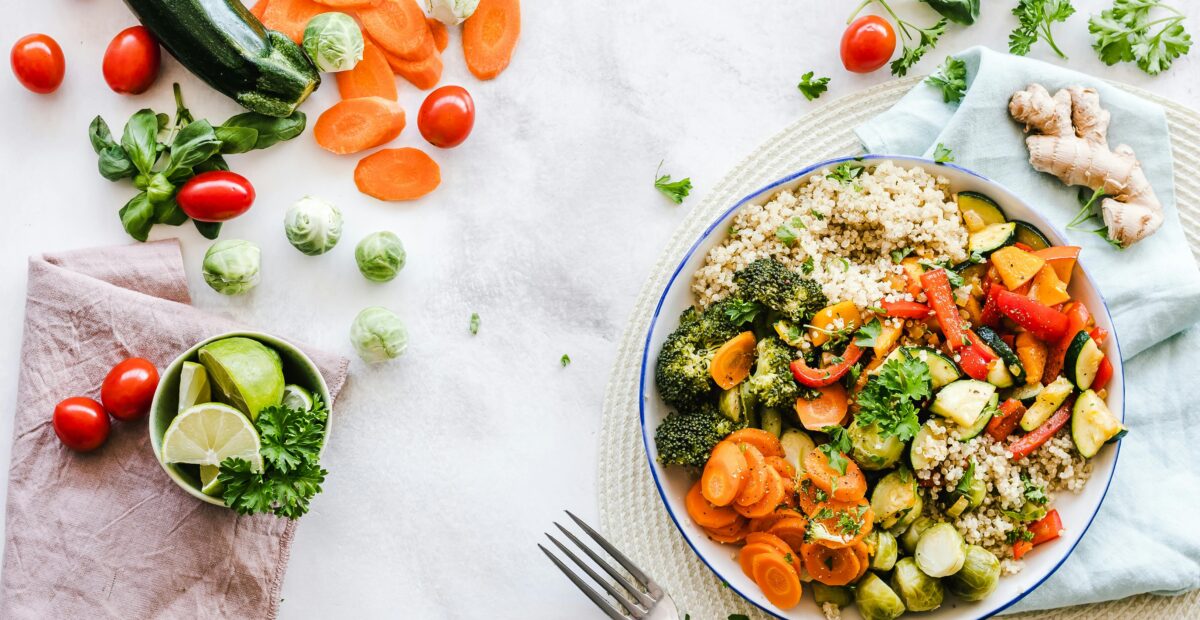
To allow for a range of ingredients an easy-ish approach to try is the portion plate method – you divide a plate visually into half and then one half into half again. So one half of the plate is vegetables, one quarter is protein, one quarter is carbs. An easier alternative is to split the plate into equal thirds. The idea being to allow yourself a portion of each category at each main meal. Remember to include good fats (e.g. olive oil, avocados), as they are essential for the ADHD brain processing.
Try to come up with a list of your 5-10 or so fave meals, and begin to work out some recipes and ingredients lists around them.
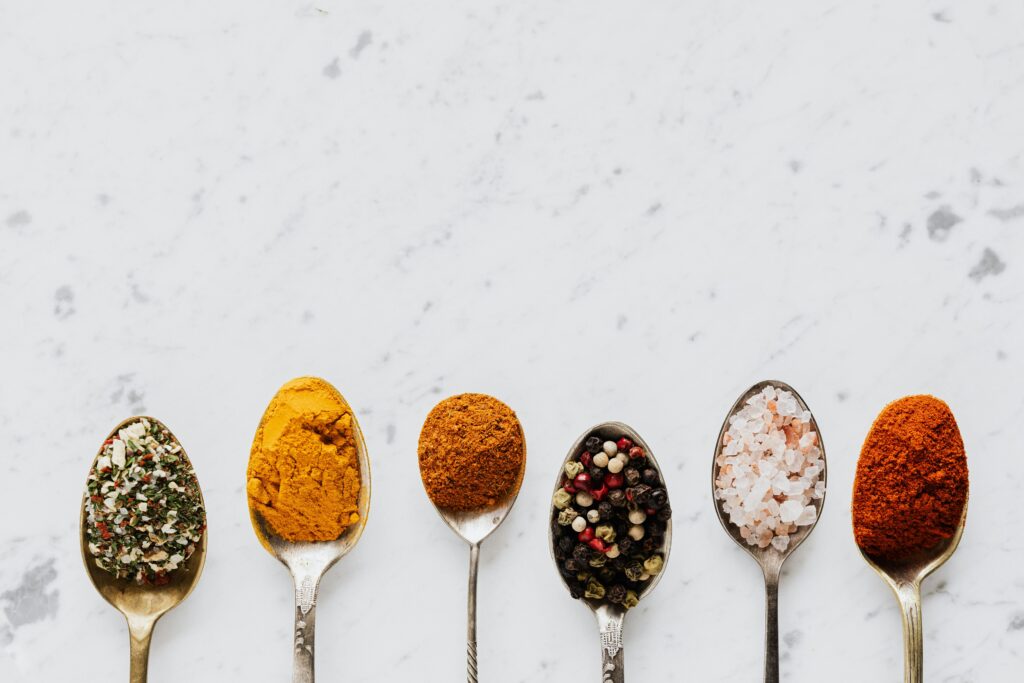
Image by Karolina Grabowska from Pexels
Use a Paper Planner or App That Works for You
There are many meal planner apps, and as usual its personal preference as to which is right for you. Download some and try! Download some recipes. Paper planners or a note app are a simple way to go if not. Make your own. Dividing the piece of paper into 7 columns (for days) and 5 or 6 rows to cover meals and snacks. Use colours and creativity if you want.
If this is too much, just try 3 day plans.
You need to think of what works for each day of the week, which days are busier, and if you are going to make them fresh or use already made before.
Remember this is going to save you work and overwhelm later.
Plan Breakfast, Lunch and Dinner
Plan your 2 or 3 main meals a day, and allow for snacks around them. Try to always include breakfast, and ideally with a decent balance of carbs and protein (See portion plate method above). This helps the ADHD brain (and most people) be more optimised for focus and productivity. A coffee and biscuits breakfast probably isn’t the optimum start, as it produces an energy high and fall later. You need to explore what works for you, while also trying to be nutritious.
Not everyone knows when they are hungry or full, so creating a solid meal plan makes it easier to ensure good intake, and if you are particularly active this might be higher than other people. Of course we need to realise our minds might be more active and this burns calories too.
Snacks a couple of times during the day might be fruit, occasional sweets, nuts etc. Wholefood and higher protein snacks like nuts, good quality protein bars or oats are often preferable because they help with focus and satiation over a longer period. High sugar or processed foods, allow a burst of energy but often lead to more craving or tiredness later.
We build sustained energy through the ‘macro-nutrients’ – proteins (beans, nuts, meat, tofu etc) and carbs (rice, roots, pasta etc), and also good to include a good amount of leafy veg.
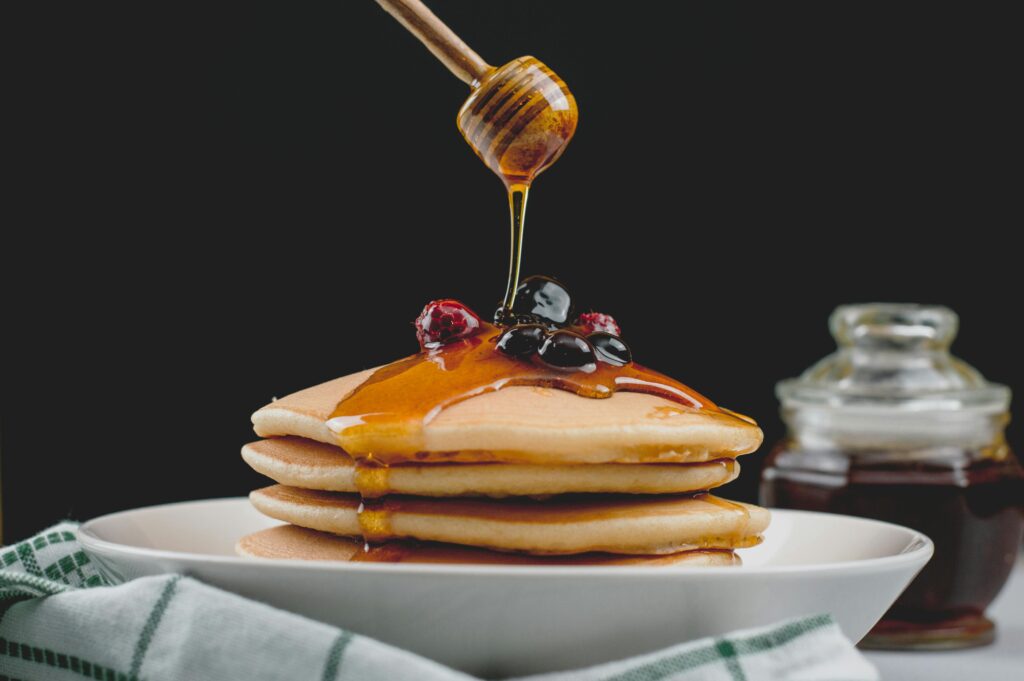
Image by Rocio Vasquez via Pexels
Always Check Your Inventory Before You Plan
Its worth thinking about what you like to eat, and also what you know and tend to buy. This is the time to view and stock up your cupboards with staples – grains, spices, cereals, fave sauces etc.
Its so helpful with meal planning and cooking if you’ve the ingredients already available in your inventory before you start. To need to go out again to buy things for a recipe is another step that might lead to ditching the recipe entirely, through overwhelm, boredom or distraction.
If finances are limited, just add one or two inventory stock items per shop.
With a decent inventory its possible to make meals pretty easy on the fly. And also to plan your day or week ahead. And if the idea of specific dish planning seems dull or overwhelming, planning a decent stock and supply inventory and using that might be an easier way in.
Keep a Running Grocery List
Some people don’t really do lists, others thrive with them.
Its worth exploring the idea of keeping a running groceries list. One way to do this is to add an item when you’re about to run out of it (yes ideally before!).
Another way is to sit down at the end or beginning of the week and plan your meals out for the week. Then go through your cupboards and see if those ingredients are in stock. If so put a tick beside them, if not, add them to the shopping list!
You might divide your list with the portion plate method in mind – three columns for each category, and another for extras.
This is a list to take with you to the shops either in your phone or paper. Take a pen too if by paper and cross off when bought.

Photo by Pixabay via Pexels
Make Sure to Plan for Leftovers
If you’re organised its a good idea to make extra food in order to carry over to the next day or meal. Try making double portions. This might work with a curry or a starch based dish especially. This could possibly be frozen also.
In your organising it might also be worth buying in a few frozen meals, or making them, for if you are rushed or overwhelmed to cook. To spend an afternoon cooking a couple days a month and freezing might be worthwhile.
Try making large pots of soup or caseroles and then store the left overs for the next day or later. Alternatively buy or prepare chopped food, just ready to cook.
Allow for Flexibility Within Your Plan
While its great to plan, oftentimes we are running late, or overwhelmed or just uninspired and distracted. Sometimes for ADHD people plans need to be like guide-rails rather than strict rules.
We need to allow some flexibility, to not constrain ourselves and make our goals seem impossible, and also ensure there are at least a few easy options in stock, like ready made soup or noodles. Try to keep the variety in each dish, but also allow for overhwelm etc.
While take aways and processed food might not be ideal, a great workaround if you’re in need of the old comfort food or something quick is to go for the most nutritious option available. If your default is chips (french fries to North Americans) then go for hand cut, maybe organic or wedges with the skin on. Rather than made of reconstituted freeze dried potato flour, these are closer to whole food and as such slightly more nutritious. If you crave pizza, buy a base and make your own, or buy a more artisan version if affordable.
While being flexible remember to be creative – if your current menu is boring you, switch it up! – try bake a cake or hand-rolling sushi! Or making food art. Or something else that is more interesting for you.
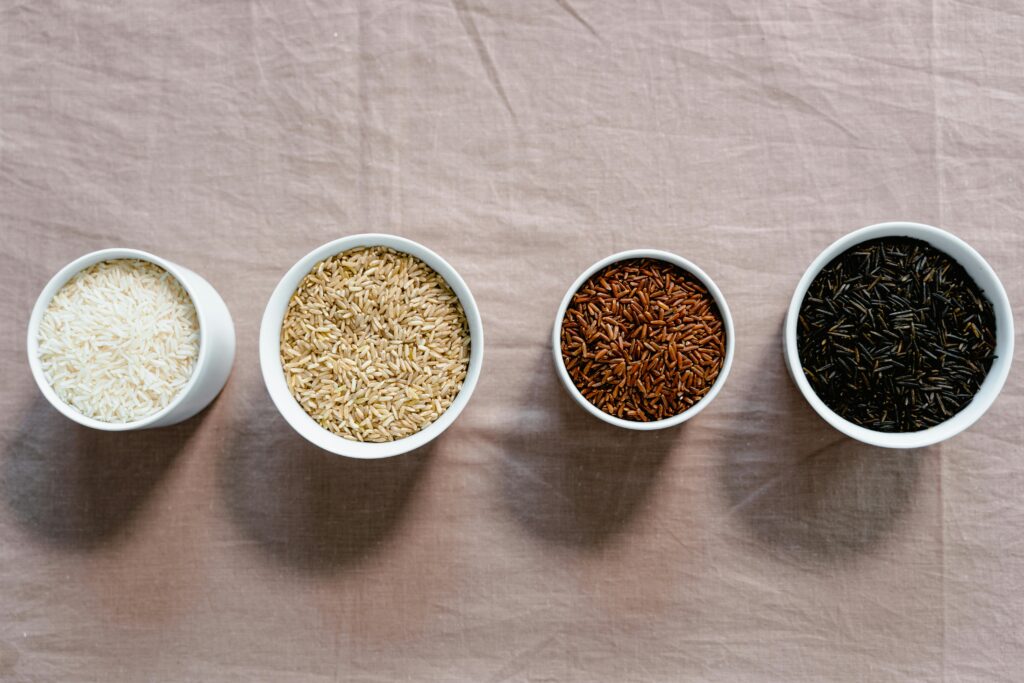
Image by MART PRODUCTION from Pexels
Conclusion
Meal planning might be difficult to start, but has the potential to be fun and rewarding as we begin to bring our creativity and consider recipes we enjoy. It allows us to streamline tasks.
If this is something you’re interested in, but motivation is sometimes tricky, why not requisition a friend, partner or housemate to make multiple meals with, or even try a virtual accountability or SM group, some forums match up people to do tasks.
To consider and prepare meals for ourselves might seem overwhelming, and is often empowering and often enjoyable if we let ourselves be creative. Its not always easy to plan, but with good tools and intention, plus help from apps, lists and friends its very doable.
But don’t beat yourself up if you don’t stick to the plan or grab the odd takeaway. Better fuel up than not!
So what planning strategy are you going to use?
Happy Plan making!