
Dyspraxia vs ADHD: Differences and Overlaps

Image by Artem Podrez via Pexels:
My dyspraxia diagnosis came during my secondary school years, coinciding with an ADHD assessment. I only understood much later the strong relationship between the two conditions.
In simple terms:
– ADHD (Attention Deficit Hyperactivity Disorder) is a neurodevelopmental condition that affects focus, impulse control, and self-regulation. It’s rooted in differences in brain chemistry, particularly involving executive function.
– Dyspraxia, also known as Developmental Coordination Disorder (DCD), primarily affects physical coordination and motor planning. This can affect fine motor skills like handwriting and gross motor tasks like riding a bike or participating in sports.
Though distinct, these conditions often overlap—and understanding both can lead to better support.
What Are the Signs of Dyspraxia?
Dyspraxia affects motor skills, coordination, and sometimes speech and sensory processing. Signs may vary from person to person, but common symptoms include:
– Difficulty with balance and posture
– Struggles with tasks involving fine motor skills (e.g. handwriting, tying shoelaces, using cutlery)
– Poor spatial awareness
– Clumsiness or frequent tripping
– Trouble with planning and organising movements
– Delayed development in crawling, walking, or talking
– Difficulty with sports and physical education
– Sensitivity to light, touch, or noise (though this can also relate to other conditions)

Photo by Tara Winstead via Pexels
Many people with dyspraxia also experience fatigue because of the extra effort required to complete everyday tasks. Social challenges can arise, too, especially in environments where coordination is key to participation or fitting in. I struggled much more with fatigue as a child. As an adult, I actively work to reduce it by breaking down tasks and taking breaks when needed.
What Are the Signs of ADHD?
ADHD often shows up as a combination of inattentiveness, hyperactivity, and impulsivity. The way it presents can differ widely between individuals—and even more so between children and adults. Common signs include:
– Trouble focusing or staying on task
– Difficulty organising tasks or managing time
– Forgetfulness and losing things
– Restlessness or fidgeting
– Talking excessively or interrupting others
– Acting without thinking through consequences
– Emotional sensitivity and mood swings
– Difficulty following multi-step instructions
ADHD is often mistaken for laziness or carelessness. It’s a brain processing issue. Early diagnosis and support build confidence and reduce frustration.
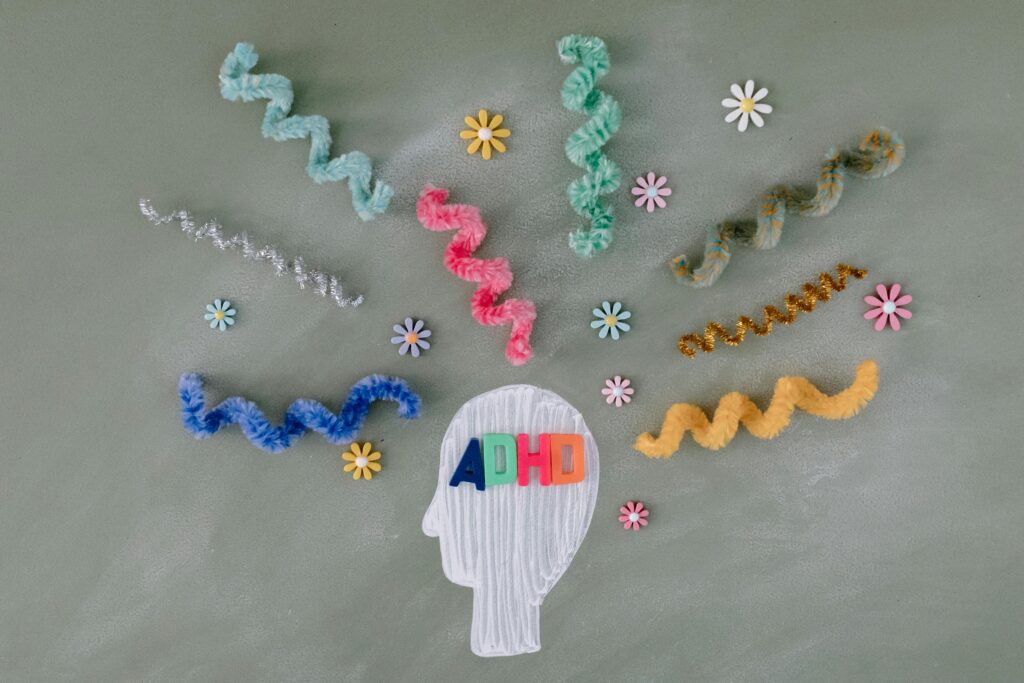
Photo by Tara Winstead via Pexels
Are There Similarities Between Dyspraxia and ADHD?
Yes—ADHD and dyspraxia share several overlapping traits. These include:
– Poor organisational skills
– Short attention span
– Struggles with time management
– Difficulty following routines or instructions
– Low self-esteem, especially if misunderstood by others
– Challenges in school or work settings
– Social difficulties because of communication or behavioural differences
I had a hard time with all that when I was a kid, but thanks to some amazing teachers, I learned to get things done and still use those methods today.
Both are neurodevelopmental conditions, meaning they’re present from a young age and relate to how the brain develops. People with either condition may find traditional education or workplace environments difficult without reasonable adjustments or support.
The overlap can cause misdiagnosis. One condition might even go unnoticed. Knowing both conditions allows for better assessments and strategies.
What Are the Differences Between Dyspraxia and ADHD?

Photo by DS stories via Pexels
Despite the similarities, there are important differences between the two:
Primary focus: ADHD centres on attention and behaviour, while dyspraxia focuses on movement and coordination.
Motor skills: People with dyspraxia typically have significant physical coordination challenges. These aren’t core symptoms of ADHD, though some people with ADHD may seem clumsy because of impulsivity or lack of focus.
Energy levels: Hyperactivity is a hallmark of ADHD but is not typically seen in dyspraxia.
Speech and writing: Dyspraxia may affect speech development and handwriting because of fine motor issues.
Learning style: ADHD affects how someone processes, prioritises, and remembers information. Dyspraxia is more about how they physically carry out tasks.
It’s also worth noting that ADHD is more widely recognised and often diagnosed earlier than dyspraxia, which may still be misunderstood or overlooked in many settings.

Can ADHD and Dyspraxia Occur Together?
Absolutely—having both ADHD and dyspraxia is not uncommon. In fact, studies suggest that around 50% of people with one of these conditions also show signs of the other. When both are present, the impact can be more complex, especially in school or workplace environments.
For example, someone might:
– Struggle to concentrate because of ADHD
– Also find handwriting physically difficult because of dyspraxia
– Face challenges managing time and planning tasks, which can affect both conditions
Getting a dual diagnosis can be the first step towards the right support—whether that’s therapy, coaching, adjustments at work or school, or simply better self-understanding.

Conclusion
ADHD and dyspraxia are different but overlapping conditions that can make daily life more challenging, but also more unique. By recognising the signs and seeking support, individuals can thrive in their own ways.
References
Exceptional Individuals. (n.d.). What is Dyspraxia?
Exceptional Individuals. (n.d.). What is ADHD?
Blog Author