How to Design a Neuroinclusive Hiring Process (Step-by-Step Guide)

Featured image by Edmond Dantès, Pexels
As awareness and diagnoses of neurodivergence continue to rise, it’s more important than ever for business owners to create a truly neuroinclusive hiring process. Many people are beginning to gain clarity about their neurodivergence, and it is estimated that around 15%-20% of the UK population is neurodivergent. This means that more and more people are looking for employers that accept and nurture their ways of thinking.
In this guide, we will break down exactly how to make your hiring process completely inclusive of neurodivergent individuals.
Step One: Rethink Your Job Descriptions
Other than the fact that neurodivergent individuals often process information differently from neurotypicals, everyone has their own learning styles. Some may be visual learners, and others might prefer to read and absorb information at their own pace. Therefore, text-heavy job descriptions, unfamiliar jargon, and vague requirements can lead to losing potential talent before they’ve even walked through the door.
Instead, try these tips for writing clear, strengths-based job descriptions:
Shorten Job Descriptions
If your job description is taking several minutes to read with long, scrolling pages, it’s time to cut back. Keep job descriptions relevant, strategic, and short, using bullet points wherever possible for easy scanability.
Write Clearly
Be explicit about the job requirements. If a degree or specific credential is necessary, state it clearly. If alternative experience or pathways are acceptable, make that clear as well. This ensures the right candidates apply.
Make requirements specific and actionable. For example, instead of saying “excellent communication skills,” specify “ability to convey ideas clearly through writing or visuals”. Clear, concrete descriptions help candidates understand exactly what the role entails.
Question the Mandatory Skills
Oftentimes, neurodivergent job seekers can be put off roles because there are specific skills they don’t have, but they could easily learn or be taught in professional settings. For example, instead of requiring advanced Excel skills for an entry-level position, consider listing ‘basic spreadsheet knowledge’ and note that advanced training will be provided. This opens the door for talented candidates who are quick learners but may not have much experience with certain tools.
List ‘Nice to Have’ Skills
But don’t go overboard. Keep your nice-to-have skills tight, simple, clear, and relevant to the role. For example, for a marketing coordinator role, you may list:
- Basic graphic design skills
- Familiarity with social media analytics
- Experience with email marketing platforms
Be Honest & Transparent
Leaving key parts of the role out of the job description because you feel they may be unattractive to neurodivergent employees can lead to an increased turnover rate. If the role requires teamwork and collaboration or regular client meetings, be honest and upfront with these expectations. Although this may lessen the amount of interest, you will get good-quality candidates who are actually up for the role.
Step Two: Make the Application Process Accessible

Image by Yan Krukau, Pexels
Great! Your candidate has read your now-neurodivergent-friendly job description and is ready to apply.
Through this part of the application process, it’s essential that you use clear, simple language and an uncluttered layout for online forms. For example, submitting one question at a time and keeping distracting colours and complex navigation to a minimum.
It’s also beneficial to allow candidates to submit responses in multiple ways. Some neurodivergent individuals may find it difficult to convey their responses through writing and would prefer to submit a video or audio of themselves showcasing their strengths.
During the application process, it’s important to be open about support and adjustments that are available. Encourage candidates to request these without hesitation to make their experience easier.
Step Three: Adapt Your Interview Process
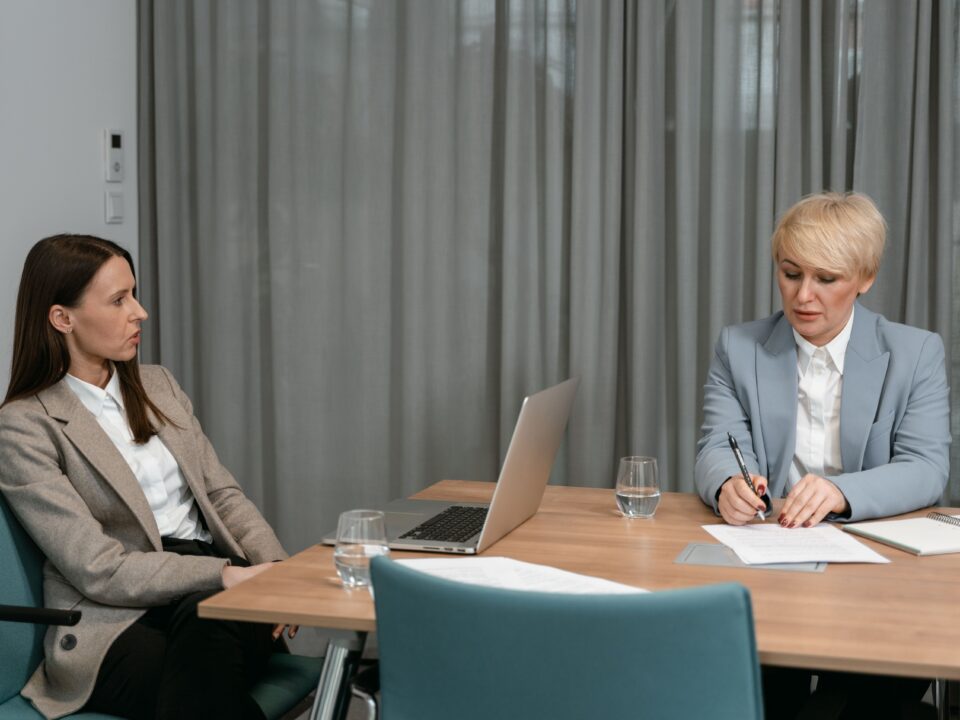
Interviews are a highly stressful experience for anyone, including neurodivergent individuals. However, there are ways that you can make the job interview easier and more comfortable.
Provide Pre-Interview Information
Giving as much information as possible about the interview to neurodivergent candidates can benefit them during their interview. For example:
- Who will be conducting the interview
- How many stages of the interview
- What the interview will involve – e.g. an informal chat, discussing their previous experience, a tour around the building, etc.
- Instructions on how to access the interview – whether online or in person
- How long is the interview is likely to take
Taking these steps before the interview reduces cognitive load and allows candidates to arrive focused, reducing the amount of mental energy expended before the interview even begins, and allows neurodivergent candidates to perform their best during.
Share Interview Questions
Many people benefit from time to process questions — this is especially true for neurodivergent candidates. Therefore, one of the biggest things to positively impact the quality of interview answers is to provide candidates with the interview questions at least 72 hours in advance. This allows the candidate to organise their thoughts and prepare their answers in a low-pressure manner, allowing you to hear a fair reflection of their ability.
Many neurodivergent individuals are often excluded from roles they’d excel in due to traditional interview formats that favour quick thinking or social cues over actual skills. By sharing interview questions in advance, you create an environment where all candidates can showcase their true strengths.
Exceptional Individuals Interview Process Case Studies
At Exceptional Individuals, we’re proud to offer all interview questions 72 hours in advance, allows candidates to respond via chat or pre-prepared answers, and include feedback as part of the assessment. This helps set all candidates up for success, whether they are successful in the interview process or otherwise.
Ruth-Ellen Danquah, Chief Innovation Officer, designed this process to model what neuroinclusive facilitation actually looks like — candidates experience the kind of environment they’d be creating for others.
The feedback speaks for itself:
“I’ve participated in countless interviews, but I’ve never experienced one that felt so genuinely developmental and supportive. The feedback I received was insightful and constructive, truly helping me to refine my skills and approach, rather than just assessing them.”
“I just wanted to echo the resounding gratitude from the end of our call today by thanking you for your time in facilitating such an open and safe interview. I learned a lot from the other participants and it was great to see the shared passion for championing neurodiversity as a strength from differing perspectives. Regardless of the outcome of today, I’m excited to continue my work in the equality, diversity and inclusion sector.”
“I’ve never experienced an interview that also developed my skills — thank you.”
Ensure Neuroinclusive Interview Questions
Typical interview questions like “tell me about yourself” or “where do you see yourself in 5 years?” are all designed around the neurotypical way of thinking, processing, and communicating. They use vague language and focus on personality and storytelling.
To ensure your questions are neuroinclusive, you should reword to focus on skills, experience, and problem-solving over quick thinking. For example:
- “How do you organise and prioritise tasks when you have multiple deadlines?”
- “Can you describe a project where you solved a complex problem? What steps did you take?”
- “Tell me about a time you learned a new tool or system. How did you approach it?”
- “How do you prefer to receive instructions or feedback?”
- “What types of tasks energise you the most?”
- “How do you approach planning a long-term project from start to finish?”
Phrasing your questions this way allows candidates to show what they can actually do, rather than how they make conversation.
Offer Multiple Response Formats
When planning interviews, consider allowing different response formats, such as written responses via a chat during video interviews or accepting pre-prepared answers. This removes the pressure of on-the-spot thinking and speaking simultaneously.
Step Four: Train Hiring Managers and Interviewers

Image by Mikhail Nilov, Pexels
Ensuring your entire management team, hiring team, and employees are trained on neuroinclusivity is incredibly important and can help ensure your business thrives.
Neurodiversity training workshops can introduce management, HR, and staff to different types of neurodivergence, bust myths, and highlight strengths that neurodivergent employees can bring to the workplace. It’s also a great way to diminish unconscious bias and create an open, accommodating environment for everyone.
Benefits of neurodiversity training include:
- Reduced bias
- Increased staff retention
- Access to specialised knowledge
- Ensuring an open and inclusive workplace
When training your hiring managers, train the interviewers to ask questions to themselves, such as : ‘Am I assessing impact and connection rather than conformity to neurotypical norms?’ and ‘Would someone with a different neurotype score fairly on these criteria?’. This helps interviewers default to assessing things like confidence, eye contact, and verbal responses rather than their skillsets.
Step Five: Offer Adjustments and Communicate Them Early
Reasonable adjustments are changes that businesses and organisations make to ensure employees with disabilities or mental health conditions are not disadvantaged at work. They’re an opportunity for employers to ask, “how can we help you work at your best?”.
Reasonable adjustments could take many forms, and much of the time, it doesn’t need to be complicated. For example:
- Extra time on tasks
- Written instructions over verbal
- Quiet spaces to avoid noisy open-plan offices
- Remote interviews
- Flexible start/finish times to avoid becoming overwhelmed in rush hour traffic
- Sitting near a window or in softly lit areas to avoid the bright fluorescent lights
As an employer, you should always be open to reasonable adjustments and offer the opportunity early in the recruitment process. This proactive communication will likely help the new recruit feel more comfortable and at ease during work hours and help them perform at their best.
Step Six: Evaluate Candidates Fairly

Image by Sora Shimazaki, Pexels
Using structured scoring rubrics is one of the most effective ways to reduce bias during the hiring process, and asking yourself, “would someone with a different neurotype score fairly on these criteria?”. For instance, focusing on measurable skills and outcomes rather than subjective impressions or gut feelings.
It’s also important to value a range of strengths that might not always fit traditional expectations, such as focus, creativity, pattern recognition, and innovative problem-solving. These qualities can make a huge difference in your team’s success, even if they don’t directly relate to the job role.
Even if you don’t hire a candidate, it’s beneficial to offer developmental feedback. This helps you transform your recruitment process so it is genuinely developmental. It leaves candidates with insights they can use, making them more likely to reapply or recommend your business to others. Neuroinclusive hiring isn’t just about who you select, it’s about how everyone leaves the experience.
Finally, you should remember that neurodiversity is essentially a form of diversity in thinking styles, and candidates who work or communicate differently bring valuable alternative perspectives which can hugely benefit your team and business.
Step Seven: Build Inclusive Onboarding from Day One
Neuroinclusion shouldn’t end when someone is hired. The onboarding process should also be mindful of neurodivergent individuals and how to effectively help them integrate with the team and understand their role.
There are certain ways you can do this, including:
- Provide clear, structured documentation
- Set clear expectations and goals upfront
- Provide opportunities for reasonable accommodations
- Offer multiple learning formats (e.g. written instructions, videos, demonstrations)
- Create a predictable schedule
- Assign a mentor to help new hires become familiar with the role and culture
- Use gradual, layered introductions
- Celebrate small wins and progress
These small steps can make it an easy process for new neurodivergent employees to settle into their new role.
Gather Feedback and Continuously Improve
The goal of becoming a neuroinclusive workplace never ends. It’s therefore important to continuously gather feedback and make improvements. You can do this through anonymous candidate surveys or focus groups to identify friction points. Keeping your door open for suggestions or to discuss pain points in the workplace can also help every employee feel like they have a voice.
Using this feedback and insight, you can evolve your policies, recruitment processes, and culture to keep inclusion front of mind.
Build Your Neuroinclusive Hiring Process Today
Neuroinclusive hiring benefits everyone in the business. From gaining alternative perspectives to improving retention. At Exceptional Individuals, we help employers build truly neuroinclusive hiring processes that attract the right talent. Talk to our team today for consultation, training, and more.