
OCD Test Online
Why you might be looking for an OCD test
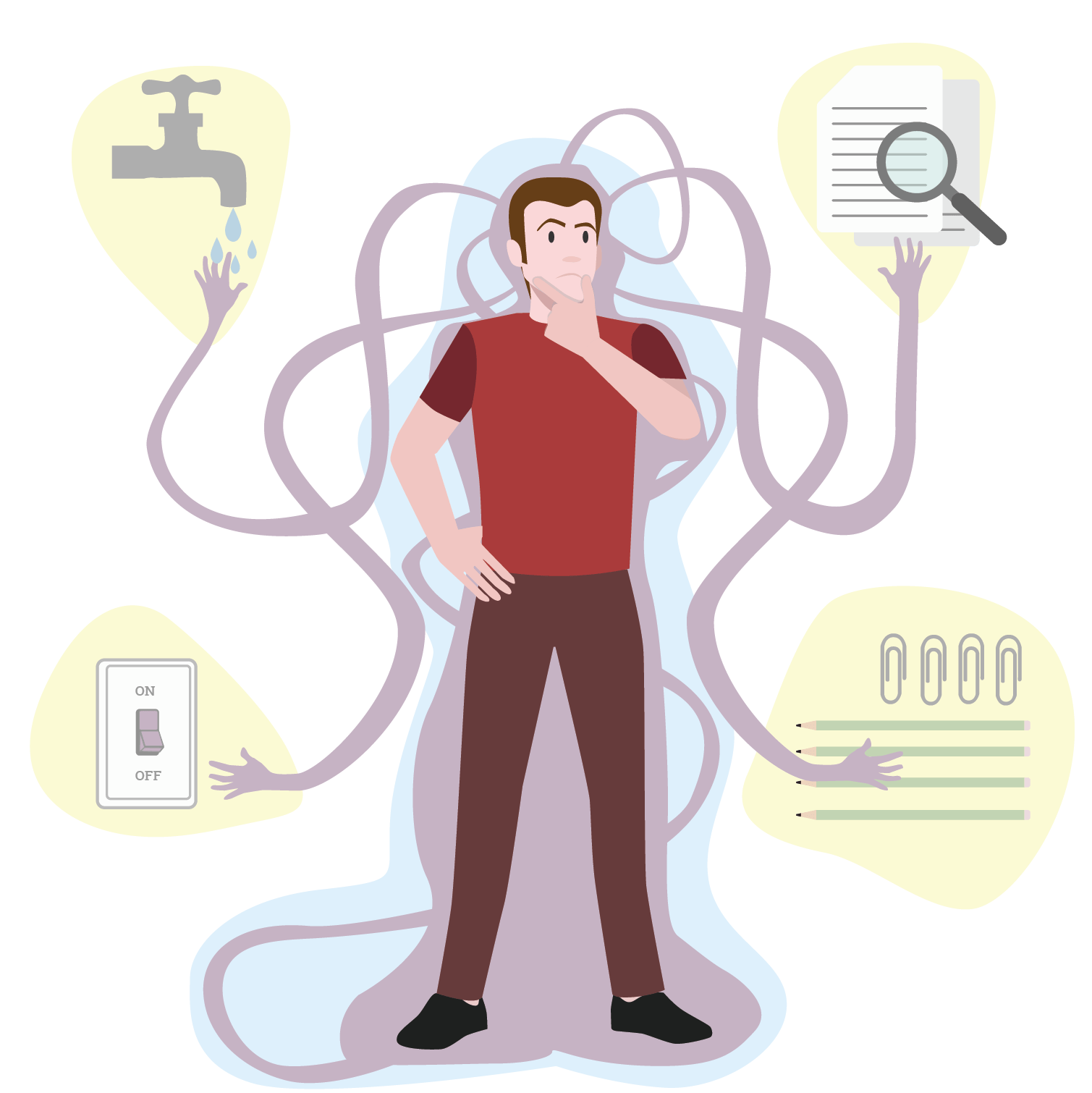
If you have searched for an OCD test, it is usually because something about your thoughts, habits, or worries does not feel quite right. Many people notice patterns that feel hard to control, intrusive, or distressing, and want clarity about what is going on.
That is completely understandable. Wanting answers does not mean anything is “wrong” with you. It just means you are paying attention to how you feel and how your life is being affected.
Exceptional Individuals supports people with neurodivergent and mental health related experiences at work and in education. We write about OCD because it is closely connected to how people think and process the world. We do not provide medical diagnosis or treatment, but a GP or qualified clinician can support you if you have concerns.
Why online OCD tests are limited
There is no reliable way for a website to tell whether someone has OCD. Real assessment involves understanding someone’s experiences in detail and how they affect daily life. That is why online quizzes and checklists can be misleading, especially when they provide scores or suggest a diagnosis. If you are worried, a GP or NHS service can help you explore this properly.

Why Exceptional Individuals does not offer an OCD test
Exceptional Individuals is not a clinical or medical service. We work with people who have mental health and neurodivergent related challenges in work and education, but we do not diagnose or treat health conditions.
Our role is to help people understand their options and get practical support in areas like:
OCD, anxiety, and neurodiversity
OCD is often discussed alongside neurodiversity because it affects how people think, focus, and process the world. Many people who identify as neurodivergent also experience anxiety, low mood, or OCD-related difficulties.
These experiences often overlap, which is why we include OCD, anxiety, and similar topics on our site.
How Exceptional Individuals can support you
Exceptional Individuals supports people who experience mental health and neurodivergent challenges in work and education.
This includes:
Find the right kind of support
If you are not sure what kind of help would be most useful right now, you can use our Support Finder below. It does not assess symptoms or make medical judgements. It simply helps you explore the most appropriate next steps.
Where to get proper help
If OCD-related thoughts, urges, or routines are upsetting, exhausting, or getting in the way of your life, you do not have to deal with this on your own. Support is available, and many people find that speaking to the right person can make a real difference.
If you are in the UK
-
NHS Talking Therapies
You can speak to a trained therapist through the NHS about anxiety, OCD, and related difficulties. In many areas you can refer yourself without seeing a GP first. -
Mind
A national mental health charity that offers information, helplines, and guidance on finding support. -
NHS urgent mental health services
If you are feeling overwhelmed or unsafe, the NHS can help you access urgent mental health support.
In the USA
If you are in the United States
-
988 Suicide & Crisis Lifeline
You can call or text 988 to speak to a trained counsellor any time, day or night. -
NAMI (National Alliance on Mental Illness)
Provides information, helplines, and support for people experiencing mental health challenges. -
NIMH (National Institute of Mental Health)
Offers trusted, evidence-based information about mental health conditions and treatment options. -
Psychology Today
A directory that helps you find licensed therapists and mental health professionals in your area.
If you are ever in immediate danger, please contact your local emergency services.