The Best Accommodations That Make Work Easier for Neurodivergent Employees

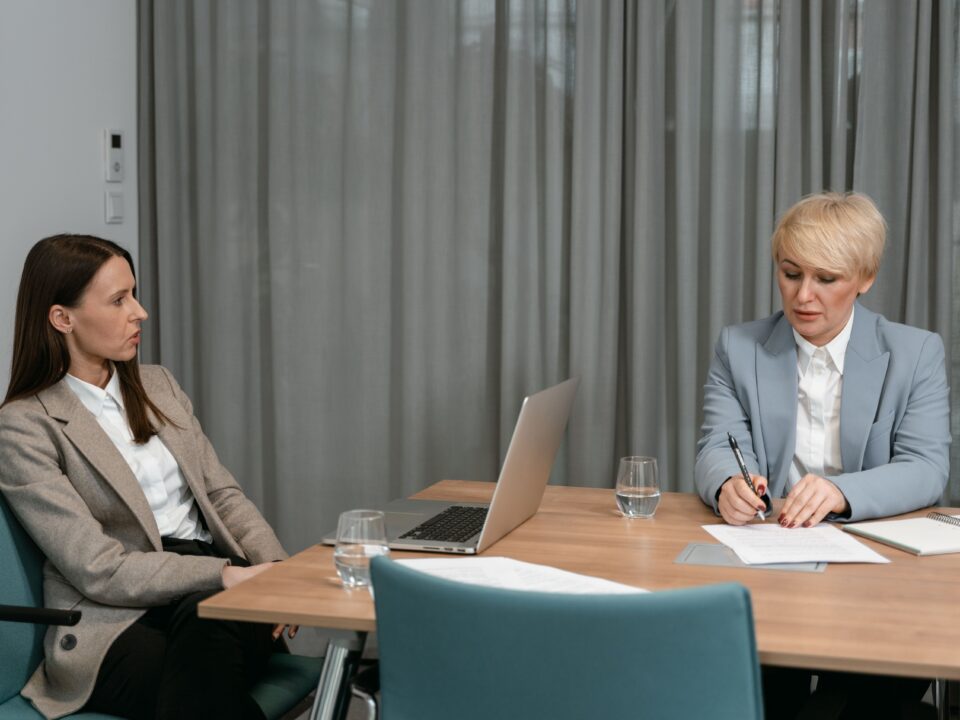
Featured Photo by Kampus Production via Pexels
Neurodivergent employees bring incredible strengths to the workplace — creative thinking, attention to detail, and innovative problem-solving. But many work environments aren’t designed with their needs in mind. Bright lights, open-plan noise, and inflexible schedules can create unnecessary barriers.
Although these everyday workplace aspects can be easily ignored or brushed off for most people, they can be overwhelming for neurodivergent team members. People with neurodivergent traits bring incredible strengths and perspectives to the workplace, but sensory-rich environments can create barriers to focus and increase stress.
The good news is that there are ways that managers, employers, and business owners can help neurodivergent employees reach their full potential, and we’re here to tell you how with the best workplace accommodations that make work easier for neurodivergent employees.
What is Neurodiversity?
First of all, what is neurodiversity?
Neurodiversity refers to the natural differences in how people’s brains work. This includes how they process information, learn, and behave. It’s essentially the umbrella term that encompasses the spectrum of human brain function from neurotypical (whose brain processes information in ways considered typical), to neurodivergent (whose brain processes information, learns, and behaves differently from the neurotypical ‘norm’).
There are a range of neurotypes that fall under neurodiversity, including:
- Autism
- Attention Deficit Hyperactivity Disorder (ADHD)
- Dyslexia
- Dyspraxia (Developmental Coordination Disorder)
- Dyscalculia
- Synesthesia
- OCD
To name just a few.
What Are Workplace Accommodations?
Workplace accommodations are adjustments made in the workplace to create an environment that is comfortable for neurodivergent people to work in, and where they can leverage their strengths effectively.
Workplace accommodations can make a huge difference for neurodivergent individuals in terms of job satisfaction, productivity, stress, and overall well-being.
Legal & Policy Essentials for Employers
Many neurodivergent people are protected under the Equality Act 2010 as disabled. An employee does not need a diagnosis to be considered disabled; therefore, an employer should offer employees support whether or not they have received a formal diagnosis.
An employee might not have a diagnosis for a range of reasons, whether that is because they are worried about reactions, they don’t feel they need to have one, or because it can take a long time to be diagnosed on the NHS.
The Equality Act 2010 calls for employers to have a legal duty to make reasonable adjustments to prevent a neurodivergent person from being at a disadvantage in the workplace. This means that if a neurodivergent individual requests accommodations, the employer is legally required to consider the request and provide support wherever possible.
Core Accommodations
As an employer, you have a duty of care to your employees – both neurotypical and neurodivergent. It’s very possible that someone in your team may be neurodivergent without a formal diagnosis, or may have chosen not to disclose it. It’s therefore critical that workplace accommodations are made for anyone presently in your workplace, or any future neurodivergent employees.
Quiet or Low-Stimulation Workspaces

Photo by Cup of Couple from Pexels
The work environment can be a huge barrier for neurodivergent employees. There is so much sensory stimulation, like flickering lights, noisy computers, loud chatter, and much more. These, compared with other environmental factors, make it hard to focus and perform well, which can be detrimental to overall well-being. For certain jobs that offer reasonable adjustments, autistic staff can be anywhere from 45%-145% more productive than neurotypical staff according to the Buckland Review of Autism Employment, in some areas of work.
Having a designated quiet area in your office can be massively helpful if you have employees who need to get away from the hustle and bustle of the bullpen. It can reduce distractions and sensory overload so that the employee can focus on the task at hand.
Noise-Cancelling Headphones

Photo by Pavel Danilyuk from
Being able to block out background noise as and when needed can help neurodivergent employees focus on tasks. Noise-cancelling headphones are a perfect option, and you can get some incredible models that are super comfortable with great battery lives that can last the whole workday.
Lighting Adjustments
Bright fluorescent lights can be uncomfortable, particularly for neurodivergent employees. The bright white lights and flickers are a recipe for headaches. Instead, opt for softer lighting, the ability to adjust light levels, or natural lighting options to help support neurodivergent employees.
Flexible Working Hours
Many neurodivergent people have unique needs when it comes to work schedules and breaks. Accommodations in this area can reduce the risk of burnout and help them perform better overall. This is because individuals can align work with their unique energy cycles and reduce sensory and social stress. For example, someone who has ADHD may choose to avoid rush hour commuting in order to maintain productivity. An autistic employee may need to take regular breaks in quiet rooms to avoid sensory overload and task overwhelm.
A traditional 9-5 can feel rigid, which can put a strain on the nervous system. Flexible working helps neurodivergent employees avoid a state of constant stress, which leads to better overall mental health and job success.
As an employer, you could start implementing flexible working hours with staggered hours (e.g. 7am-4pm, 8am-5pm, or 9am-6pm), flexitime, or completely flexible hours where employees can work whenever as long as a certain amount of hours is worked over a certain period (e.g. 40 hours over the week, 1500 hours over the year etc.). If implementing flexible working, it’s important your employees are aware of any limitations changes.
Remote or Hybrid Work Options

Photo by Vlada Karpovich from Pexels
Remote and hybrid working solves a lot of problems for neurodivergent employees. They can work at a location that suits their sensory preferences, such as a quiet home or co-working space with natural light. It’s also much better for that work-life balance by reducing commuting stress, saving time and money, and having more control over personal commitments.
It also provides your neurodivergent employees with the option of working from home or coming into the office, depending on their energy and social levels that day. For example, an employee with ADHD may wake up feeling fatigued with a low social battery one morning and choose to work from home, but may feel energised and ready to socialise the next and feel they would be most productive collaborating with their team in the office.
As an employer, it’s important to put things in place to maintain team cohesion. For example, regular updates or team calls.
Task and Time Management Support
Neurodivergent employees may find time management difficult. Time blindness — difficulty perceiving the passage of time — can contribute to burnout. Employers can encourage the use of timers, task apps, visual schedules, and project boards to help their neurodivergent employees stay on track. For example, apps like todoist or Notion are great for task management.
Clear Instructions and Structured Communication
Some neurodivergent people find it harder to retain verbal instructions. Written instructions, step-by-step guidance, and visual aids can be crucial in reducing anxiety and confusion, supporting different ways of processing information, and enhancing focus and performance.
As an employer, you should ensure any communication delivered in the workplace is clear, concise, and consistent by using plain and literal language. This reduces the risks of misunderstanding and keeps neurodivergent employees engaged. Communication is not a one-size-fits-all thing. So by ensuring there are multiple communication channels available, you can minimise confusion and overwhelm.
Job Carving and Role Adjustments
Role adjustments for workplace neurodiversity involve a range of elements:
- Changes to tasks
- The work environment
- Communication
- Tailoring responsibilities to strengths
In practice, this may look like an employee with ADHD focusing on more creative work rather than repetitive, ongoing tasks.
Job carving, which redefines roles to better align with a neurodivergent individual’s specific strengths, is not just a best practice; it’s also considered a reasonable adjustment under employment law. As an employer, you have a responsibility to remove barriers and ensure that neurodivergent team members can succeed and contribute to their full potential.
Mentorship, Buddy Systems, and Regular Check-Ins
Buddy schemes can be particularly valuable for neurodivergent employees navigating new workplace cultures. A buddy or mentor is an informal role provided by a peer or senior member of the business.
Buddy systems can help neurodivergent employees in the first few weeks at a new role to clear up any confusion, decipher ‘norms’ within the workplace culture, and generally have someone in a friend role who can help them build connections across the organisation.
Regular check-ins can also be incredibly helpful for neurodivergent employees. They’re a key reasonable adjustment to support neurodivergent individuals and can help provide tools for support, ensure clarity, provide emotional support, and give or receive feedback.
Assistive Technology and Tools

Photo by Kelly from Pexels
Assistive technology can be incredibly helpful for neurodivergent employees. They can support people with physical, developmental, or learning differences to perform tasks that would otherwise be difficult or even impossible. Assistive technology may come in the form of:
- Speech-to-text software
- Screen and text readers
- Screen magnifiers
- Spell-checking software
- Word prediction software
- Mind-mapping tools
- Alternative input devices
- Mobility aids
- Noise-cancelling headphones
- Visual search engines
- Focus-enhancing apps
- Organisation tools
There are so many tools out there that are created with neurodivergence in mind. As an employer, you can work with your employees to choose the tool or tools that will help them the most for their needs and their role.

Photo by Sora Shimazaki from Pexels
Do You Want to Adopt a More Neuroinclusive Workplace?
Supporting neurodivergent employees can not only increase productivity, retention, and workplace morale but it can also improve your employees’ mental health and wellbeing, and make your workplace more desirable to neurodivergent talent.
To start reaping the benefits of neurodivergent employees, it’s important that you start making reasonable adjustments now. Whether that’s allowing employees to communicate via their preferred method, providing meeting agendas in advance, offering assistive tech, or simply educating your staff through neurodiversity workshops, these steps are essential for creating a modern, inclusive workplace where everyone can thrive.
If you’re looking to make reasonable adjustments in your business, Exceptional Individuals offers neurodiversity consultancy services where we will support you through these changes and offer advice on creating inclusive policies, HR guides, and culture. Contact us today to see how we can help you.