How Remote and Hybrid Working Affects Neurodivergent Employees

Featured Image by Vlada Karpovich, Pexels
Remote and hybrid work have reshaped workplaces across the UK, giving employees more flexibility and control over how they work. For neurodivergent staff, these shifts can open doors to better focus, reduced overwhelm, and healthier routines—but they can also introduce new challenges that organisations need to understand.
While no two neurodivergent people experience work in the same way, research and lived experience consistently show that environment, clarity, and communication strongly affect wellbeing and performance. This article explores how remote and hybrid models can support (and sometimes hinder) neurodivergent employees, and what managers can do to create a genuinely inclusive setup.
The Benefits of Remote and Hybrid Working for Neurodivergent Employees
Many neurodivergent employees report that remote or hybrid working improves their ability to focus, manage energy, and work comfortably. Key benefits include:
Reduced sensory overload
Working from home allows people to avoid common sensory triggers like bright lighting, loud conversations, strong smells, or unpredictable office noise. For those with sensory sensitivities, this alone can significantly increase concentration and reduce stress.
Flexibility to manage energy and downtime
Neurodivergent people often experience heightened exhaustion from masking or navigating complex environments. With remote or hybrid setups, employees can plan breaks, regulate sensory input, and recover between tasks without being monitored or judged.
Control over the work environment
Being able to tailor lighting, sound, workspace layout, and movement routines gives employees more autonomy—and often leads to better productivity.
Reduced social exhaustion
Remote working can reduce forced small talk, unstructured social interactions, and overstimulating group environments. This doesn’t mean neurodivergent staff dislike people; it simply removes unnecessary pressure.
As one autistic professional shared in a workshop, “Working from home means I can finally focus on the actual work instead of wasting half my energy trying to seem ‘normal’ in an open office.” That experience is far from rare.

Image by Kelly, Pexels
Challenges Neurodivergent Employees May Face
Remote and hybrid models aren’t automatically easier. Without thoughtful support, they can create:
Communication gaps and misunderstandings
Some neurodivergent employees rely on clarity, tone, or structure in communication—all of which can get lost in quick messages, vague instructions, or last-minute virtual meetings.
Isolation and reduced connection
Working remotely can heighten feelings of loneliness, especially for those who already struggle with social interaction or uncertainty. Missing informal touchpoints can make it harder to ask questions, sense team dynamics, or feel included.
Misinterpretation of work patterns
Differences in communication style (e.g., being direct, needing more clarifying questions, or preferring written over verbal updates) can be misread as disengagement, even when performance is strong.
Technology friction
Video calls, rapid notifications, or complex platforms can overwhelm some employees, especially if they haven’t received adequate training or accessible tools.
These challenges aren’t signs that remote work “doesn’t suit” neurodivergent people—they’re signs that the systems surrounding remote work need to be more inclusive.

Image by MART PRODUCTION, Pexels
How Neurodiversity Workshops Help Organisations Navigate Remote and Hybrid Work
Neurodiversity workshops give teams the language, awareness, and confidence to support neurodivergent colleagues effectively—whether they work at home, in the office, or both.
Through practical guidance and real-world scenarios, workshops help managers:
- Recognise different communication needs
- Understand the impact of sensory and cognitive load
- Learn how to make instructions clearer and more accessible
- Identify reasonable adjustments that actually help
- Build psychological safety during remote collaboration
Organisations looking to improve their approach can explore: Neurodiversity Workshops (UK)
Practical Strategies for Managers and Teams
Inclusive remote and hybrid working doesn’t require complicated policies—just intentional, human-centred practices. Managers can support neurodivergent employees by:
1. Holding regular but predictable check-ins
Short, structured catch-ups help identify barriers early and give employees space to ask questions without pressure.
2. Making virtual meetings more accessible
Share agendas beforehand, allow cameras to be optional, and follow up with written notes or summaries.
3. Offering flexible expectations where possible
Focus on outcomes over hours. Flexibility helps neurodivergent employees manage energy and avoid burnout.
4. Encouraging communication preferences
Some people prefer written messages; others prefer quick calls. Ask, don’t assume.
5. Ensuring accessible, well-explained technology
Many neurodivergent individuals benefit from assistive tools—screen readers, speech-to-text, noise-cancelling features, or project-management platforms that reduce cognitive load.
Useful guidance: Assistive Technology Advice
6. Creating hybrid routines that make sense
Allow employees to choose in-office days that suit their energy patterns or avoid overwhelming environments.
When managers lead with clarity and flexibility, neurodivergent employees can thrive—and so can the rest of the team.
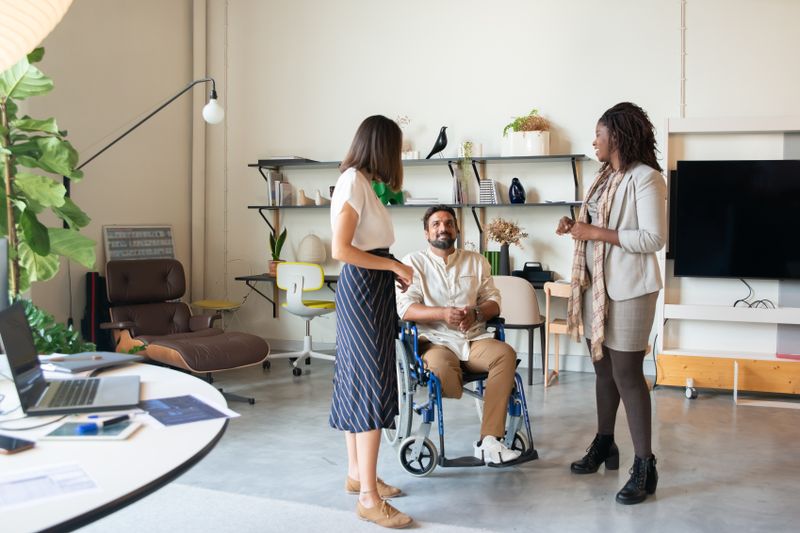
Image by Kampus Production, Pexels
The Organisational Benefits of Inclusive Hybrid/Remote Practice
Investing in inclusive hybrid or remote systems isn’t just considerate—it strengthens organisations. Benefits include:
- Higher productivity
- Improved staff retention
- Reduced sickness absence
- Stronger employee trust and engagement
- A broader, more diverse talent pool
- Fewer workplace conflicts caused by misunderstanding
Inclusive remote working is not a “perk”—it’s a strategic advantage.
Conclusion
Remote and hybrid working can be transformative for neurodivergent employees, but only when organisations understand both the benefits and the challenges. With clearer communication, flexible expectations, and an openness to learning, managers can create working environments where neurodivergent staff genuinely thrive.
To take the next step toward a more inclusive workplace, explore: