
Knolling 101: The Art of Organised Creativity

Featured Image Photo by Vadim Sherbakov on Unsplash
Ever seen a flat lay photo where every item is perfectly lined up, each one grouped neatly by type or colour? That’s knolling — part organisation method, part art form, and part stress reliever.
Recently I bought myself a lego set for the first time and decided to explore practical strategies that help neurodivergent people manage their environments, focus better, and even spark creativity. Knolling is one of those strategies: simple, visual, and surprisingly satisfying.
A Brief History of Knolling
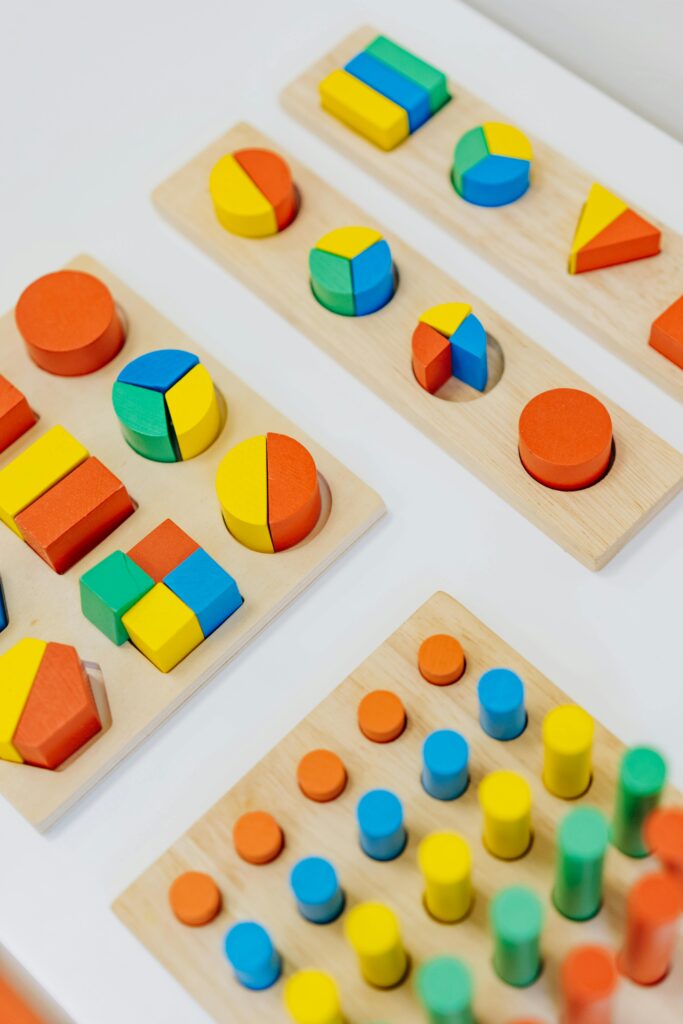
Photo by Mikhail Nilov via Pexels
The term knolling was coined in the late 1980s by Andrew Kromelow, a janitor in architect Frank Gehry’s furniture workshop. Gehry was designing chairs for Knoll, a company known for clean, geometric lines. Inspired by this, Kromelow began arranging tools and materials at right angles for easier visibility and access, calling it “knolling.”
Artist Tom Sachs later adopted the practice in his studio and popularised the phrase “Always be knolling”. Today, knolling has expanded into design, photography, productivity, and even daily life organisation.
Why Knolling Works for the Brain
Humans naturally seek patterns. Neatly arranged objects reduce visual clutter, helping the brain process information more efficiently. This is especially beneficial for people with ADHD or autism, where chaotic environments can create extra mental load.
Research shows that reducing cognitive clutter supports focus and task completion. For example, studies on cognitive load theory demonstrate that having items visually accessible reduces mental effort, letting you work more effectively (Sweller, 1988). Similarly, arranging materials in clear, logical ways improves task readiness and reduces frustration (Mark et al., 2014).
Beyond efficiency, the act of knolling can be calming. Repetitive, precise arranging engages the brain in a type of mindfulness practice, which can reduce stress and improve well-being (Didonna, 2009).
In my life, I’ve seen how even small organisational habits like this can make a noticeable difference in focus, confidence, and creativity.
How to Knoll: Step-by-Step Clear a workspace. A flat, open surface is ideal. Group items by type, size, colour, or function. Align objects at right angles to each other. Space evenly to keep everything visible and accessible. Optional: photograph your layout — it’s satisfying and makes inventory easy.
Knolling in Everyday Life

Photo by Krizjohn Rosales via Pexels
Knolling is adaptable to many tasks:
LEGO or model building – see all pieces at once for faster builds. Crafts – keep threads, beads, or tools organised. Cooking prep – arrange ingredients mise en place style. Tool storage – instantly spot missing or misplaced items.
For neurodivergent individuals, it can also serve as a sensory-friendly ritual, creating calm before a task begins.
For example, when we go on holiday the first thing I do is empty out the suitcases, put on music or a podcast then slowly organise and put away everything. It helps me see what we’ve bought with us and if we forgot anything, which we usually have. I also use this same technique with laundry, I shove it in the basket then sit on the floor and organise it so that I just have to put it away.
Knolling as a Creative Practice
Knolling isn’t purely functional — it’s also an art form. Flat lay photography, DIY craft layouts, and workshop studios often use knolling for its visual appeal.
Final Thoughts
Knolling is more than arranging objects — it’s a small act of intention. Whether you use it to speed up your next LEGO build, prep a sewing project, or simply enjoy a mindful pause, knolling can make your environment feel calmer and your mind sharper.
Line it up, slow it down, and see how order can create space for creativity. At Exceptional Individuals, we celebrate these small, practical habits that help neurodivergent people thrive.
References
Sweller, J. (1988). Cognitive Load During Problem Solving: Effects on Learning. Cognitive Science, 12(2), 257–285. Mark, G., Gudith, D., & Klocke, U. (2014). The Cost of Interrupted Work: More Speed and Stress. Proceedings of the SIGCHI Conference on Human Factors in Computing Systems. Didonna, F. (2009). Clinical Handbook of Mindfulness. Springer.
Blog Author