What Are the Strengths of Having Dyslexia?
Featured Image by Gerd Altmann from Pixabay
Dyslexia affects up to 20% of the global population, making it one of the most common forms of neurodivergence. Dyslexic minds work differently when processing written language, and this neurological difference comes with a unique constellation of cognitive strengths and challenges.
Whilst dyslexic individuals may experience differences in how they process reading, writing, and spelling compared to neurotypical patterns, there is absolutely no relationship between dyslexia and intelligence. In fact, dyslexic people are often amazingly talented, innovative, and resilient thinkers who approach problems in wonderfully creative ways.
Rather than viewing dyslexia as something to overcome, we can celebrate it as a natural form of neurodiversity that brings valuable perspectives and abilities to our world. With appropriate accommodations and recognition of their strengths, dyslexic individuals consistently achieve remarkable success across all fields.
Click the link if you’re interested to learn what is dyslexia
Why is it important to recognise the strengths of dyslexia?
Historically, conversations about dyslexia have focused heavily on deficits and challenges. Many dyslexic individuals have heard harmful messages throughout their lives such as:
- ‘you’re just being lazy!’
- ‘you’re so stupid!’
- ‘you’re so slow!’
- ‘you’re simply not trying hard enough!’
These deficit-focused narratives can lead to internalised shame, anxiety, and diminished self-worth. A neuroaffirming approach instead recognises that dyslexic brains are beautifully different, not broken or deficient. This perspective celebrates neurological diversity as a natural and valuable part of human variation.
What strengths do people with dyslexia have?
Dyslexic individuals possess numerous cognitive advantages that emerge from their unique neurological wiring. Research consistently demonstrates that dyslexic minds excel in several key areas:
Creative thinking skills

Image by Dave Kosgei from Pixabay
Dyslexic minds are natural innovators. Their distinctive way of processing information enables them to:
- Make unexpected connections between seemingly unrelated concepts
- Approach challenges from entirely novel angles
- Generate original solutions that others might never consider
- Excel at divergent thinking and creative problem-solving
This creative brilliance explains why so many successful artists, entrepreneurs, and innovators are dyslexic, including Steven Spielberg, Jamie Oliver, Cher, and Octavia Spencer. Their ability to think outside conventional patterns becomes a tremendous professional asset.
A strong visual memory
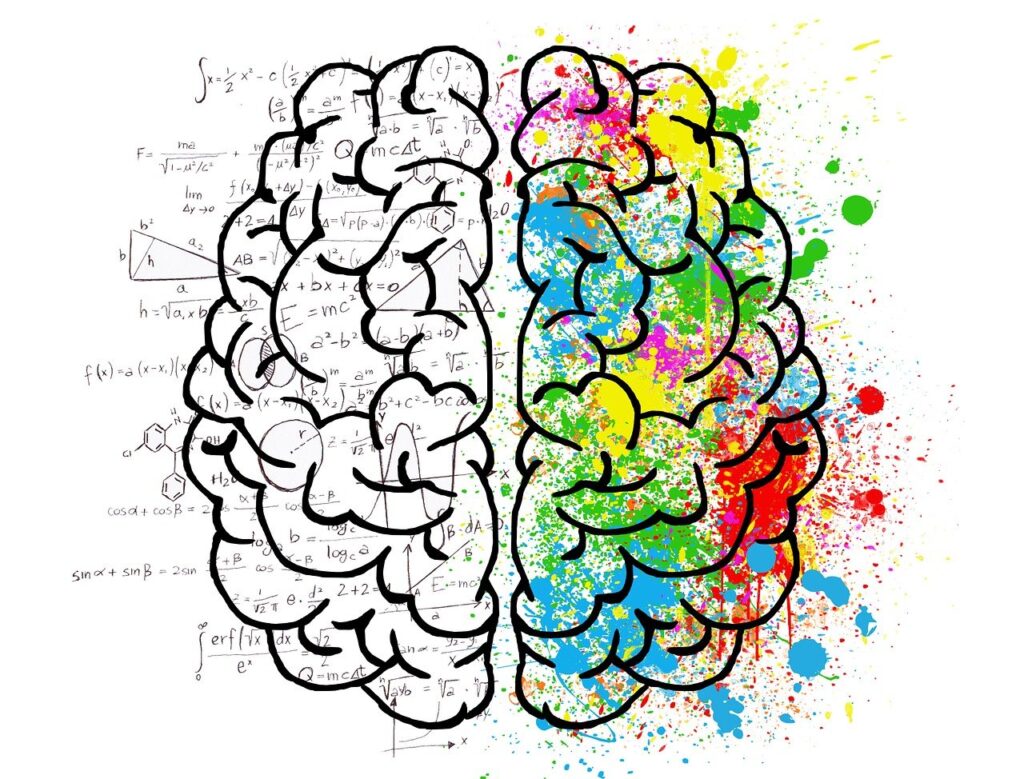
Many dyslexic individuals are gifted visual thinkers who process information in rich, multidimensional ways. They often:
- Think primarily in vivid mental images rather than internal verbal narrative
- Possess stronger visual memory than their neurotypical peers
- Excel at recognising complex patterns and spatial relationships
- Process visual information using multiple sensory channels simultaneously
This visual processing strength translates into practical advantages like enhanced navigation abilities, superior pattern recognition, and the capacity to understand complex visual data quickly and intuitively.
High levels of empathy

Image by Luisella Planeta LOVE PEACE 💛💙 from Pixabay
Research reveals that dyslexic individuals often demonstrate heightened emotional intelligence and empathy. Studies show that dyslexic children display:
- Greater emotional reactivity to facial expressions
- Enhanced ability to read and respond to others’ emotional states
- Superior social awareness and interpersonal skills
- Deep capacity for understanding and supporting others
This emotional attunement may stem from dyslexic individuals’ lived experience navigating a world designed for neurotypical minds, fostering profound empathy and emotional wisdom.
The ability to think visually
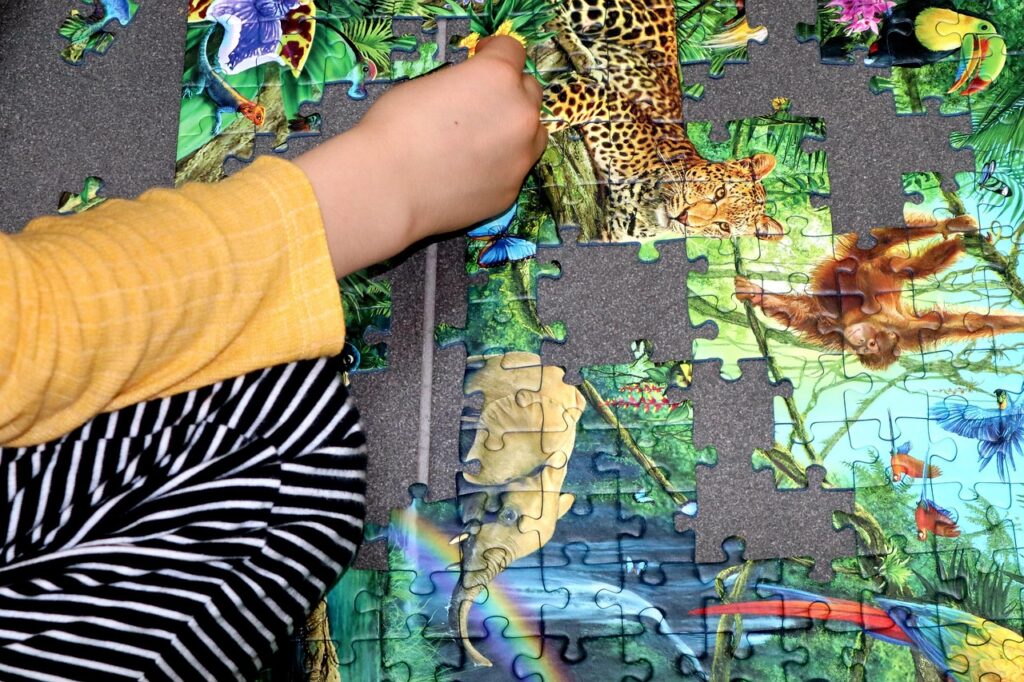
Image by Thomas G. from Pixabay
Dyslexic minds consistently outperform others in spatial reasoning tasks. They demonstrate remarkable abilities to:
- Visualise three-dimensional relationships between objects
- Navigate complex environments with ease
- Understand spatial concepts intuitively
- Excel at tasks requiring mental rotation and spatial manipulation
These strengths make dyslexic individuals naturally suited for fields like architecture, engineering, design, aviation, and scientific visualisation.
Excellent visual-spatial reasoning
Dyslexic thinkers often excel at:
- Seeing “big picture” connections that others miss
- Understanding complex systems and relationships
- Synthesising information from multiple sources
- Grasping overarching concepts and patterns
This systems-thinking approach enables them to understand complexity in ways that linear, sequential thinkers might struggle with.
One size does not fit all

Image by vivek from Pixabay
Every dyslexic individual possesses their own unique profile of strengths and preferences. One person might excel at visual-spatial reasoning whilst another demonstrates extraordinary creative thinking. Some may be gifted storytellers whilst others shine in mathematical visualisation. This diversity within dyslexia reflects the beautiful complexity of human neurodiversity.
Conclusion
Dyslexic minds are not broken versions of neurotypical minds—they are differently wired brains that process information in valuable and innovative ways. The challenges dyslexic individuals face often stem from environments designed exclusively for neurotypical processing patterns, not from inherent deficits.
When we provide appropriate accommodations and recognise dyslexic strengths, these individuals consistently demonstrate their remarkable capabilities. Rather than asking dyslexic people to mask their differences, we can create inclusive environments that harness their unique cognitive gifts.
Dyslexia represents a natural form of human neurodiversity that enriches our world through enhanced creativity, innovative problem-solving, and distinctive perspectives. By embracing neuroaffirming approaches, we can help dyslexic individuals recognise their inherent worth and unlock their tremendous potential.
Find out more about celebrating neurodiversity and supporting dyslexic individuals in reaching their goals!
Find out more about jobs for dyslexics or take our dyslexia test
Sources
- 21 Dyslexia statistics and facts: https://www.discoveryaba.com/statistics/dyslexia
- The many strengths of dyslexics: https://dyslexiahelp.umich.edu/dyslexics/learn-about-dyslexia/what-is-dyslexia/the-many-strengths-of-dyslexics#:~:text=A%20study%20by%20Eberli%2C%20Peng,non%2Ddyslexic%20counterparts%20in%20creativity.
- Dyslexics have better picture memories: https://blog.dyslexia.com/new-research-dyslexics-have-better-picture-memory/
- Strong visual working memory can help students work around their dyslexia: https://corwin-connect.com/2015/09/strong-visual-working-memory-can-help-students-work-around-their-dyslexia/
- Visual memory and the minds eye: https://kinnu.xyz/kinnuverse/psychology/superpower-learning/visual-memory-and-the-minds-eye/
- What is visual memory: https://heartland-eye.com/what-is-visual-memory/
- Why study dynamic visual-spatial thinking in dyslexia?: https://dyslexiaida.org/why-study-dynamic-visual-spatial-thinking-in-dyslexia-qa-with-jeffrey-gilger/
- What is visual thinking and what are its advantages?: https://agenciacomma.com/en/digital-marketing/visual-thinking/#:~:text=Advantages%20of%20visual%20thinking&text=Visual%20representations%20allow%20a%20holistic,from%20different%20points%20of%20view.
- What is dyslexia?: https://www.bdadyslexia.org.uk/dyslexia/about-dyslexia/what-is-dyslexia
- Children with developmental dyslexia show elevated parasympathetic nervous system activity at rest and greater cardiac deceleration during an empathy task https://www.sciencedirect.com/science/article/pii/S0301051121001964
- Children with dyslexia show stronger emotional responses: https://www.ucsf.edu/news/2020/11/419186/children-dyslexia-show-stronger-emotional-responses
- Dyslexia and emotional intelligence: https://blog.dyslexia.com/dyslexia-and-emotional-intelligence/
- Top 10 dyslexia statistics and facts: https://www.ambitionsaba.com/resources/dyslexia-statistics
Edited by Ruth-Ellen Danquah 15th July 2025 to align with Exceptional Individuals’ neuroaffirming mission