From Struggle to Strength: Stories from Dyslexic Professionals
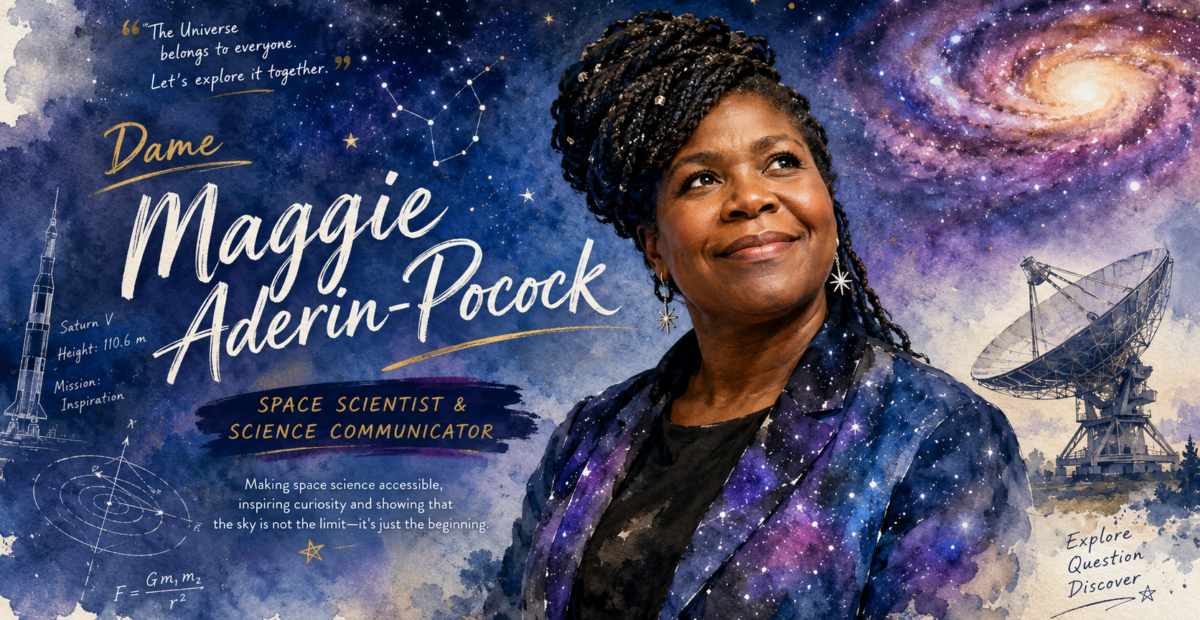
AI-generated watercolour illustration created by Ruth-Ellen Danquah using ChatGPT
Many dyslexic professionals spend years believing they simply need to work harder before they discover that they learn, communicate and process information differently. While every person’s experience differs, many describe a journey from misunderstanding and self-doubt towards recognising their strengths and finding environments where they can thrive.
This article explores stories from dyslexic professionals across science, writing, entertainment, technology, creativity and leadership. It also looks at what employers, managers and jobseekers can learn about creating more inclusive workplaces.
Why Stories Matter
When conversations about dyslexia focus only on challenges, they can unintentionally reinforce the idea that success is unlikely. Equally, presenting every successful dyslexic person as a “genius” can create unrealistic expectations that do not reflect most people’s experiences.
The reality sits somewhere in between.
Dyslexia is a neurodivergent learning profile that can affect reading fluency, spelling, organisation, working memory and processing written information. It does not determine intelligence, ambition or career potential.[1]
Stories from dyslexic professionals can remind us that success rarely comes from “overcoming” dyslexia. Instead, people often thrive when they understand how they learn best, access the right support and work in environments that reduce unnecessary barriers.
These stories should also reflect more than one type of person. Dyslexic professionals are not only white, male entrepreneurs. They are Black, Asian, Latina, women, LGBTQ+, gender-diverse, disabled, working class, parents, carers and people whose identities overlap in many different ways.
What Do We Mean by Struggle and Strength?
The phrase “from struggle to strength” should not mean that dyslexic people simply try harder until they succeed. It should not suggest that difficulty sits inside the person or that every dyslexic person has to turn struggle into exceptional achievement.
In this article, “struggle” means the friction that happens when workplaces, schools or systems do not support how someone thinks, learns, communicates or processes information. That friction might come from inaccessible written information, unclear instructions, rushed deadlines, forms that rely heavily on spelling accuracy, meetings without agendas, or workplaces that judge ability through one narrow way of working.
“Strength” means the skills, insight, creativity, persistence, communication or problem-solving that can surface when people understand and reduce those barriers. Barriers can hide strengths. When the right support is in place, people often have more capacity to use the skills they already have.
This is also part of the work Exceptional Individuals does through co-coaching and workplace support. We do not focus on “fixing” the person. We help people and teams understand where barriers show up, what patterns keep repeating, and what systems or adjustments can help strengths become easier to access and use.
A Personal Reflection: Late Diagnosis and Learning to Advocate
I was diagnosed with dyslexia and dyspraxia as an adult. By that point, I had already spent years finding ways to cope, compensate and keep going without fully understanding why some tasks took so much more effort than others.
Growing up in the 1980s meant that many neurodivergent children were missed, especially if they were able to mask, work hard, behave in expected ways, or develop strategies that made the difficulty less visible. For me, dyslexia and dyspraxia were only part of the picture. More than a decade after my initial dyslexia diagnosis, I was also diagnosed with ADHD and autism.
That matters because neurodivergent profiles often overlap. The British Dyslexia Association explains that specific learning difficulties and neurodivergent differences can co-occur, including dyslexia, ADHD, autism and dyspraxia. The NHS also notes that adults with dyspraxia may have other conditions such as ADHD, dyslexia or autism.[17] [18]
For me, each diagnosis added another layer of understanding. It helped explain why support could not be reduced to one adjustment or one label. Reading, writing, coordination, processing, attention, sensory needs, communication and recovery time all interact. When workplaces only respond to one visible barrier, they may miss the wider pattern.
Even now, I still have to advocate for my needs. I often have to explain why a clear brief, written follow-up, processing time, accessible systems or reduced ambiguity helps me do my best work. That advocacy can take energy, especially when the support need is treated as a personal preference rather than an access need.
This is why the phrase “from struggle to strength” needs care. Strength does not appear because someone has been pushed hard enough. Strength becomes easier to access when the barriers around the person are identified, reduced and reviewed over time.
Pinpointing and removing barriers is not a “set it and forget it” practice. Needs can change with workload, environment, health, team dynamics, systems and life stage. What helps someone do their best work may need to be revisited, especially during periods of change or pressure.
At its best, support gives people enough structure and safety to show up without shrinking. It helps people use their strengths without spending all their energy proving why they need the conditions that allow those strengths to rise to the surface.
Learning to Work Differently
Many dyslexic adults describe spending years developing strategies before they even realised they were dyslexic.
Some learn to rely on visual thinking. Others become skilled communicators because speaking feels easier than writing. Some develop strong problem-solving skills after years of approaching challenges from different angles.
These strengths are not universal, and not every dyslexic person will recognise themselves in these descriptions. However, many dyslexic people develop adaptive approaches that can become valuable in education, employment and leadership when the right support is in place.[2]
The important lesson is not that dyslexia automatically creates strengths. Different ways of thinking can become significant assets when workplaces recognise and support them.
Stories from Dyslexic Professionals
Dame Maggie Aderin-Pocock: Being Underestimated and Still Reaching for Space
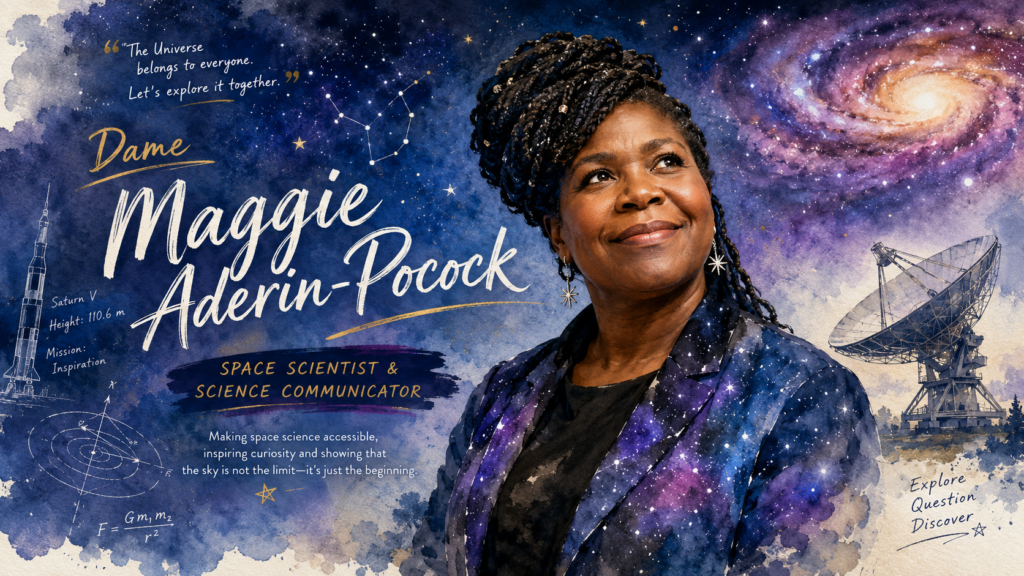
AI-generated watercolour illustration created by Ruth-Ellen Danquah using ChatGPT
Dame Maggie Aderin-Pocock is a Black British space scientist, engineer and science communicator. She has spoken about dyslexia, moving between many schools and being underestimated during education.[3]
Her story challenges narrow ideas about who people imagine as a scientist, who they see as “academic”, and whose potential they recognise early.
For employers, the lesson is clear: school performance, spelling speed or written fluency do not tell the whole story about someone’s capability. Some people need different teaching approaches, accessible materials, encouragement or additional processing time before they can show what they know.
Maggie’s career also shows why representation matters. When dyslexic Black women are visible in science, leadership and communication, they challenge the idea that dyslexia only belongs in one kind of success story.
Benjamin Zephaniah: Language, Race and Being Written Off Too Early
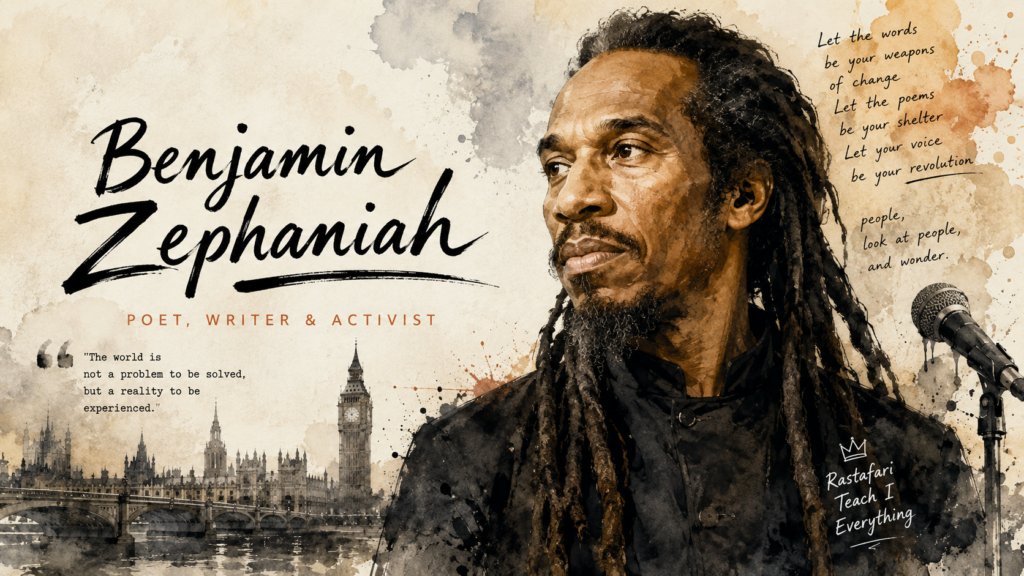
AI-generated watercolour illustration created by Ruth-Ellen Danquah using ChatGPT
Benjamin Zephaniah was a Black British poet, writer, performer and professor whose work reached across literature, music, education and activism. He wrote and spoke openly about dyslexia and about how education misunderstood him.[4]
His story shows how dyslexia can interact with race, class and school expectations. When a system labels a child as difficult, unintelligent or unlikely to succeed, the barrier is not only the reading or writing task. The barrier is also the system that has decided what potential should look like.
Zephaniah’s work reminds us that language does not only belong to people who find spelling or written accuracy easy. Voice, rhythm, storytelling, pattern, emotion and meaning are also forms of literacy.
For employers, this matters because organisations can miss talent when they judge communication only through polished written output. Some people may communicate most powerfully through speech, performance, visual thinking, relationship-building or creative problem-solving.
Whoopi Goldberg: Moving From Misunderstanding to Self-Understanding
Whoopi Goldberg has spoken publicly about growing up with dyslexia and the frustration of being misunderstood in education.[5]
Before someone recognises dyslexia, they may internalise the idea that they are “slow”, careless or not trying hard enough. That belief can follow people into adulthood and affect confidence, disclosure and how safe they feel asking for support.
Goldberg’s story reminds us that support is not only practical. It is also cultural. Clear communication, patient management, accessible written information and strengths-based feedback can help reduce the shame that many people have learned to carry.
For workplaces, this means not waiting for someone to prove they are struggling before making communication clearer. Accessible systems should sit inside the culture, not appear as a special exception.
Suzy Eddie Izzard: Dyslexia, Creativity and Visible Difference
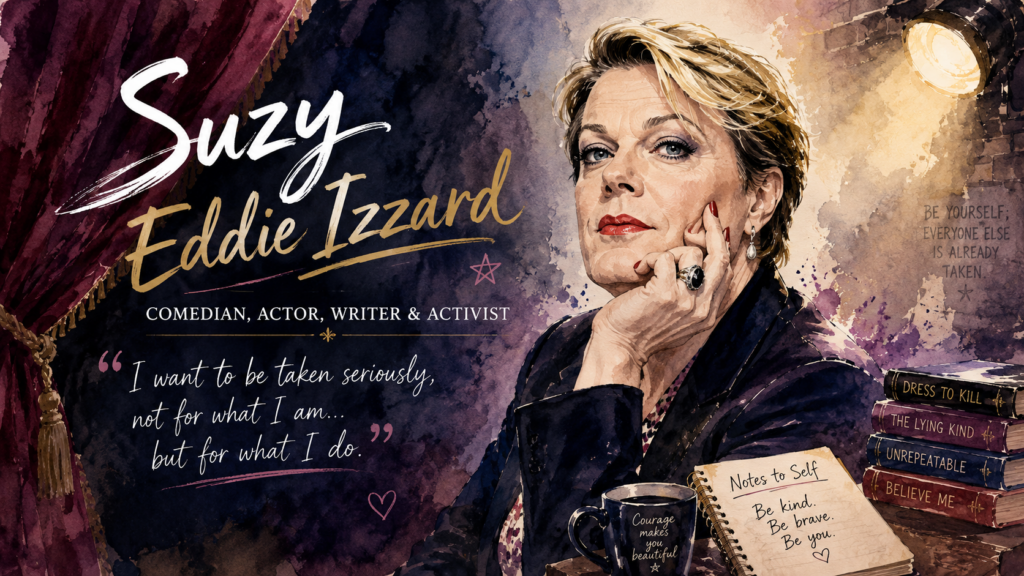
AI-generated watercolour illustration created by Ruth-Ellen Danquah using ChatGPT
Suzy Eddie Izzard, the comedian, actor and performer, has spoken publicly about dyslexia and how it shaped the way she thinks creatively.[6] She has also publicly shared that she prefers the name Suzy and she/her pronouns, while not minding Eddie or he/him.[7]
Her story reminds us that dyslexia does not exist in isolation from the rest of someone’s identity. A dyslexic person may also be trans, LGBTQ+, disabled, Black, Asian, working class or navigating other forms of bias.
Inclusive workplaces need to understand people as whole people. Someone should not have to hide one part of themselves to receive support for another.
This matters at work because inclusion is not only about providing a tool or adjustment. It is also about whether people feel safe enough to be seen, respected and taken seriously.
Shekhar Kapur: Late Recognition and Creative Leadership
Indian filmmaker Shekhar Kapur has spoken about being dyslexic and about how dyslexia affected his relationship with numbers and learning.[8]
His story reminds us that dyslexia can appear across cultures, languages and education systems. It also shows why employers should not limit support to childhood. Adults may still be making sense of lifelong patterns in reading, writing, paperwork, organisation or confidence.
For employers, this means avoiding assumptions. A senior, creative or highly experienced professional may still need accessible information, clear processes or support with written tasks.
Late recognition can also change how someone understands their past. What once felt like failure or inconsistency may start to make sense as a difference in processing, learning or working style.
Luz Rello: Turning Dyslexia Research into Tools for Others

AI-generated watercolour illustration created by Ruth-Ellen Danquah using ChatGPT
Luz Rello is a Spanish researcher, technologist and founder of Change Dyslexia. Her work focuses on using technology and research to support dyslexia screening and intervention.[9]
Her story adds a different kind of dyslexic professional example. It is not only about succeeding despite dyslexia. It is about using lived understanding, research and technology to identify barriers earlier and create tools that can support others.
This matters because dyslexia support is not only individual. It can also be systemic. When people understand the barrier clearly, they can design better processes, better tools and better routes into learning.
For workplaces, this gives us a useful reminder that accessibility also drives innovation. When organisations design around real access needs, they often improve the experience for more people than they expected.
Salma Hayek: Dyslexia, Language and Global Career Pathways
Salma Hayek has spoken publicly about dyslexia, including the challenge of learning and working in another language while building an international career.[10]
Her story shows how dyslexia can overlap with language, migration, confidence and cultural expectations. For some people, reading and processing written information may already require extra effort. Working across languages can add another layer of demand.
This does not mean dyslexic people cannot succeed in multilingual or global environments. It means organisations should avoid confusing processing speed, accent, written fluency or confidence with ability.
At work, this might mean offering clear written follow-ups, checking understanding without judgement, giving enough processing time and recognising that intelligence can show up in many forms.
Carol Greider: Dyslexia and Scientific Discovery
Carol Greider is a Nobel Prize-winning molecular biologist who has spoken about dyslexia and difficulty at school.[11]
Her story matters because it shows that dyslexic professionals work in highly technical, scientific and research-led fields, not only in creative or entrepreneurial careers.
It also challenges a common assumption: that someone who struggles with reading, spelling or written processing cannot thrive in intellectually demanding work.
For employers, the lesson is to separate the skill they assess from the method they use to assess it. If a role requires scientific thinking, analysis, problem-solving or creativity, recruitment and working environments should not unnecessarily exclude people because of how information appears.
Intersectionality: Dyslexia Does Not Exist on Its Own
These stories show dyslexic professionals across science, literature, entertainment, technology and creative leadership. They include Black professionals, a gender-diverse performer, an Asian filmmaker, a Spanish researcher and technologist, a Latina performer and producer, and women in science and public life.
That range matters. Dyslexia does not sit separately from race, gender, class, sexuality, disability, culture, language or access to diagnosis. Some people receive recognition early. Others reach adulthood before they understand why reading, spelling, forms, written instructions or processing speed have always required more effort.
Intersectionality also affects how people interpret barriers. A dyslexic Black professional who asks for clarity may face racialised stereotypes. A trans or gender-diverse dyslexic person may already manage visibility, safety and identity at work. A dyslexic person working across languages may face unfair judgement around speed, accent or written fluency rather than expertise.
Inclusive workplaces need to understand people as whole people. A person’s access needs, confidence, disclosure decisions and experience of being believed may all connect to the wider context of who they are and how others have treated them.
What EI Co-Coaching Shows About Barriers and Strengths
At Exceptional Individuals, co-coaching often focuses on the systems around a person or team, not only the individual experience of difficulty.
In one anonymised EI co-coaching journey, the starting point was not a lack of ability or motivation. People were holding work together through memory, informal workarounds and uneven mental load. The team could not always see ownership, deadlines, dependencies or next steps clearly enough.
The coaching work made the invisible parts of work visible. This included shared action structures, clearer ownership, deadline and dependency mapping, process review, meeting purpose, and protected time to close the loop on decisions and actions.
Over time, the team shifted the pattern. They could see, delegate and review work more easily. They developed clearer shared language, stronger planning rhythms and more confidence in spotting friction before it became a crisis.
This is what “from struggle to strength” can mean in practice. The work did not create strength from nowhere. It removed enough friction for people to use their judgement, skills and collaboration more confidently.
For dyslexic professionals, this principle matters. Avoidable barriers can hide strengths. When workplaces understand the barrier, they can create conditions where strengths have room to surface.
Common Themes Across Dyslexic Professionals
Although every person’s experience differs, several themes appear repeatedly.
Support Makes a Difference
Many dyslexic professionals describe at least one teacher, family member, mentor, colleague, manager or support system that helped them understand their potential.
Feeling understood can matter as much as receiving formal adjustments. The right support can help someone move from hiding difficulty to understanding how they work best.
Confidence Often Develops Later
Some people receive a diagnosis during childhood, while others receive one in adulthood.
For many adults, diagnosis gives language to experiences that previously felt confusing or frustrating. It can also explain why certain tasks require more effort, while others feel natural.
Diagnosis is not the only route to self-understanding, but for many people it can become a powerful turning point.
Strengths Grow When Workplaces Reduce Barriers
Many dyslexic professionals describe thriving once they find careers, teams or environments that value creativity, communication, innovation, practical problem-solving or leadership.
These are not “dyslexic strengths” that everyone shares. Instead, they show what can happen when workplaces reduce unnecessary barriers and allow people to use their individual abilities.
A strength may be hard to see when someone spends most of their energy decoding instructions, correcting spelling, navigating unclear processes or masking frustration. When teams reduce those barriers, the same person may have more capacity for insight, creativity, collaboration and leadership.
What Employers Can Learn
Stories from dyslexic professionals are not only inspiring. They also offer practical lessons for workplaces.
Employers can support dyslexic employees by:
- providing written information in accessible formats;
- allowing extra processing time where appropriate;
- using clear layouts and readable fonts;
- reducing unnecessary time pressure;
- offering speech-to-text or text-to-speech technology;
- providing meeting agendas in advance;
- agreeing priorities clearly during busy periods;
- making ownership, deadlines and next steps visible;
- focusing on outcomes rather than one particular way of completing a task.
Many of these adjustments benefit all employees, not only those with dyslexia. Clear communication and flexible working practices can improve engagement across diverse teams.[12]
What Jobseekers Can Take Away
If you are dyslexic and looking for work, it can sometimes feel as though recruitment processes measure how well someone completes application forms rather than how well they could perform in the role.
Remember that dyslexia does not define your career potential.
Some practical strategies include:
- identifying adjustments that help you perform at your best;
- noticing which barriers repeatedly drain your energy;
- practising interviews in ways that suit your learning style;
- using assistive technology where helpful;
- focusing on your skills, experience and achievements;
- considering whether and when you wish to disclose your dyslexia.
There is no single “right” decision about disclosure.
Some people choose to discuss dyslexia before interview to request reasonable adjustments. Others prefer to wait until they have received a job offer or started work. The best choice depends on your circumstances and what feels right for you.
Looking Beyond Success Stories
Well-known professionals can help challenge outdated assumptions about dyslexia, but they should never become the benchmark for success.
Not every dyslexic person wants to become famous, win a major award or lead a major organisation.
Success might mean completing an apprenticeship, returning to education, building confidence, finding a workplace that understands your needs, changing careers, creating a sustainable system for your workload, or simply reaching the end of the working day without feeling exhausted from masking or constantly trying to fit into inaccessible systems.
Every journey is valid.
 Pexels image by
 Conclusion: Success Looks Different for Everyone
Stories from dyslexic professionals remind us that workplaces often overlook talent when they focus too heavily on one way of learning, communicating or demonstrating ability.
These stories do not prove that dyslexia guarantees creativity, leadership or entrepreneurial success. Instead, they show what becomes possible when people receive understanding, accessible environments and opportunities to develop their strengths.
The move from struggle to strength is not about pretending barriers do not exist. It is about naming those barriers clearly, reducing the ones that do not need to be there, and creating conditions where people can use their skills with more confidence.
Creating inclusive workplaces benefits everyone. Whether through reasonable adjustments, flexible communication, clearer systems or better awareness, small changes can make it easier for dyslexic employees to contribute their skills with confidence.
To learn more about dyslexia, common traits and workplace support, visit our What is Dyslexia? guide.
You can also try our free dyslexia test if you are wondering whether dyslexia may be affecting you. The test is not a diagnosis, but it can be a useful starting point for understanding your experiences and deciding whether further support may help.
Build Dyslexia-Inclusive Workplaces Where Strengths Can Surface
For employers, the lesson is clear: strengths do not always show up when barriers keep getting in the way. Clearer communication, accessible systems, practical adjustments and better manager understanding can help dyslexic professionals contribute with more confidence.
If your organisation wants to build a more neuroinclusive workplace, book a neurodiversity workshop with Exceptional Individuals. Our workshops help teams understand neurodivergent experiences, reduce everyday workplace friction and turn inclusion into practical action.
If you are a dyslexic or neurodivergent professional looking for support with work, confidence or next steps, you can join the waitlist for The EDGE for future support from Exceptional Individuals.
Sources and Further Reading
-
- British Dyslexia Association. “What is dyslexia?”
https://www.bdadyslexia.org.uk/dyslexia/about-dyslexia/what-is-dyslexia
- International Dyslexia Association. “Dyslexia Basics.”
https://dyslexiaida.org/dyslexia-basics/
- Yale Center for Dyslexia & Creativity. “Maggie Aderin-Pocock, Ph.D., Space Scientist & Science Communicator.”
https://dyslexia.yale.edu/story/maggie-aderin-pocock-ph-d/
- The Guardian. “Young and dyslexic? You’ve got it going on.”
https://www.theguardian.com/commentisfree/2015/oct/02/young-dyslexic-children-creative
- Child Mind Institute. “Whoopi Goldberg Speaks Up About Dyslexia.”
https://childmind.org/blog/whoopi-goldberg-speaks-up-about-dyslexia-at-annual-adam-katz-memorial-conversation/
- The Guardian. “When words dance.”
https://www.theguardian.com/theguardian/1999/apr/24/weekend7.weekend
- The Independent. “Eddie Izzard clarifies her preferred name and pronouns.”
https://www.independent.co.uk/arts-entertainment/tv/news/eddie-izzard-suzy-name-gender-preferred-pronouns-b2350323.html
- The Indian Express. “Filmmaker Shekhar Kapur reveals he is completely dyslexic.”
https://indianexpress.com/article/lifestyle/health/filmmaker-shekhar-kapur-completely-dyslexic-symptoms-causes-management-8599632/
- Luz Rello. “Luz Rello – Dyslexia – Dislexia.”
https://www.luzrello.org/
- University of Michigan Dyslexia Help. “Salma Hayek.”
- Nobel Prize. “Carol Greider.”
https://www.nobelprize.org/stories/women-who-changed-science/carol-greider/
- ACAS. “Neurodiversity at work.”
https://www.acas.org.uk/neurodiversity-at-work
- Exceptional Individuals. “What is Dyslexia?”
- Exceptional Individuals. “Dyslexia Quiz.”
- Exceptional Individuals. “Neurodiversity Workshops.”
- Exceptional Individuals. “The EDGE Waitlist.”
- British Dyslexia Association. “Neurodiversity and co-occurring differences.”
https://www.bdadyslexia.org.uk/dyslexia/neurodiversity-and-co-occurring-differences
- NHS. “Dyspraxia in adults.”
https://www.nhs.uk/conditions/developmental-coordination-disorder-dyspraxia-in-adults/
- British Dyslexia Association. “What is dyslexia?”
Blog Author